
Built Through Pressure: Why Tremayne Mitchell Represents the New Era of South African Padel
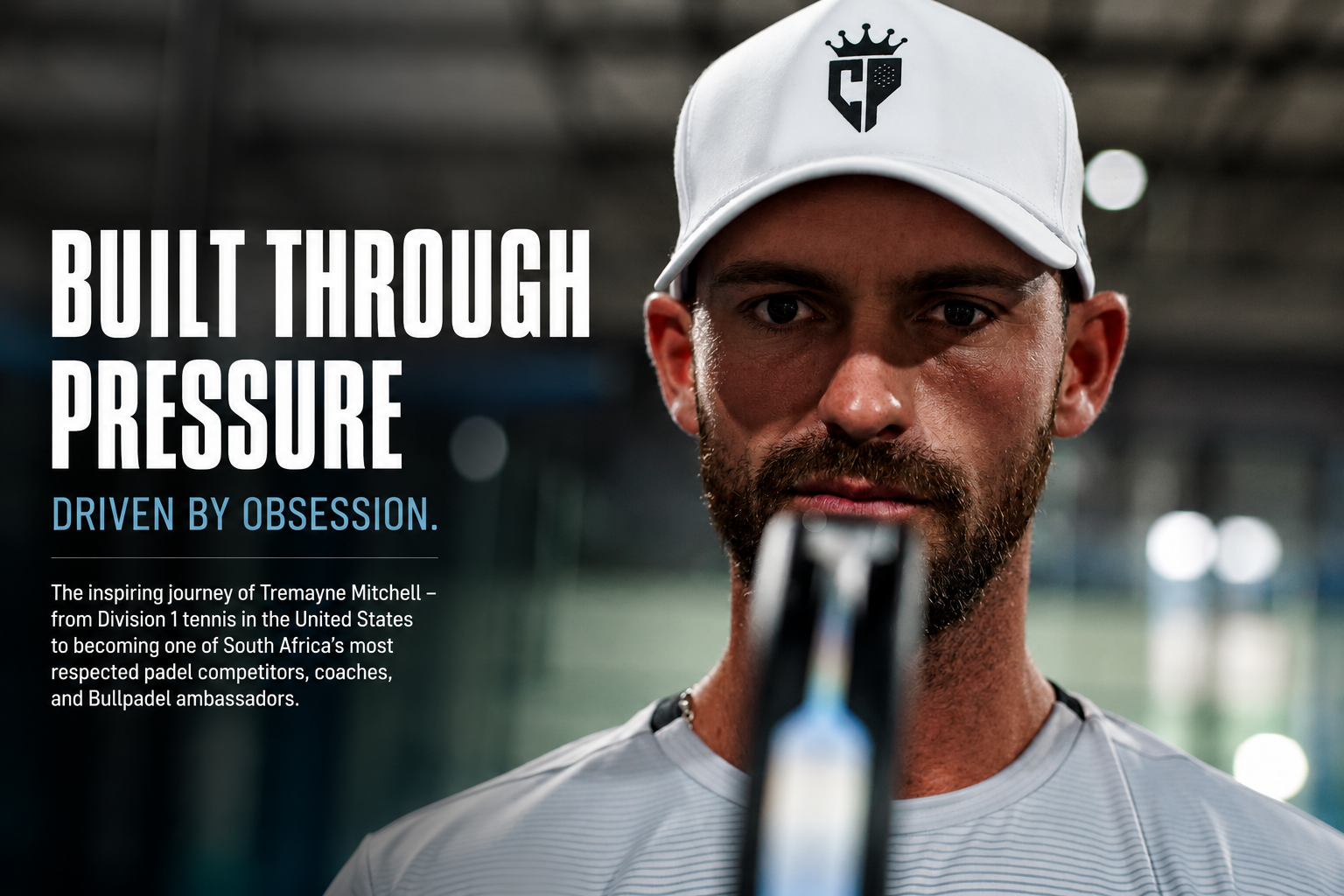
From Division 1 tennis in the United States to becoming one of South Africa’s most respected padel competitors, coaches, and Bullpadel ambassadors, Tremayne Mitchell’s journey has been built on discipline, obsession, resilience, and the pursuit of long-term excellence.
There’s a certain type of player you notice before the first point is even played.
Focused. Controlled. Intense.
Not loud enough to demand attention.
Good enough that attention finds them anyway.
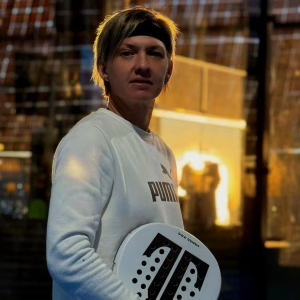
That’s Tremayne Mitchell.
From representing South Africa in tennis and competing at the Division 1 level in the United States, to becoming a Bullpadel ambassador, coach at Coalition Padel, and one of the country’s most respected competitors on the local padel circuit, Tremayne has built his life around performance.
Not the social media version of it.
The real version.
The hours nobody sees.
The pressure.
The setbacks.
The obsession with improving when things are not going your way.
And maybe that’s what makes his story so relatable inside South African padel right now.
Because behind the calm exterior is somebody constantly chasing growth.
FROM TENNIS TO PADEL
Tremayne started playing tennis at six years old and quickly established himself as one of South Africa’s standout junior players. By the age of 12, he was consistently ranked among the country’s top players in his age group and would go on to represent South Africa multiple times before earning a tennis scholarship in the United States.
That journey took him into Division 1 tennis while completing a degree in Psychology, followed by an MBA, before eventually coaching professionally in Philadelphia for two years.
But somewhere along the way, another chapter was slowly beginning to unfold.
When he returned to South Africa in 2021, Tremayne partnered with Vaughn Hunter to launch Legacy Tennis Academy at Wanderers Tennis Club, a high-performance academy that still operates today.
Then padel entered the picture.
At first, casually.
Then competitively.
Then completely.
“It wasn’t long before dabbling turned into competing in tournaments, and losing in tournaments turned into an obsession with improving in the hopes of winning tournaments.”
That line probably tells you everything you need to know about him.
Because the best competitors are rarely satisfied for long.
CONTROL IN THE CHAOS
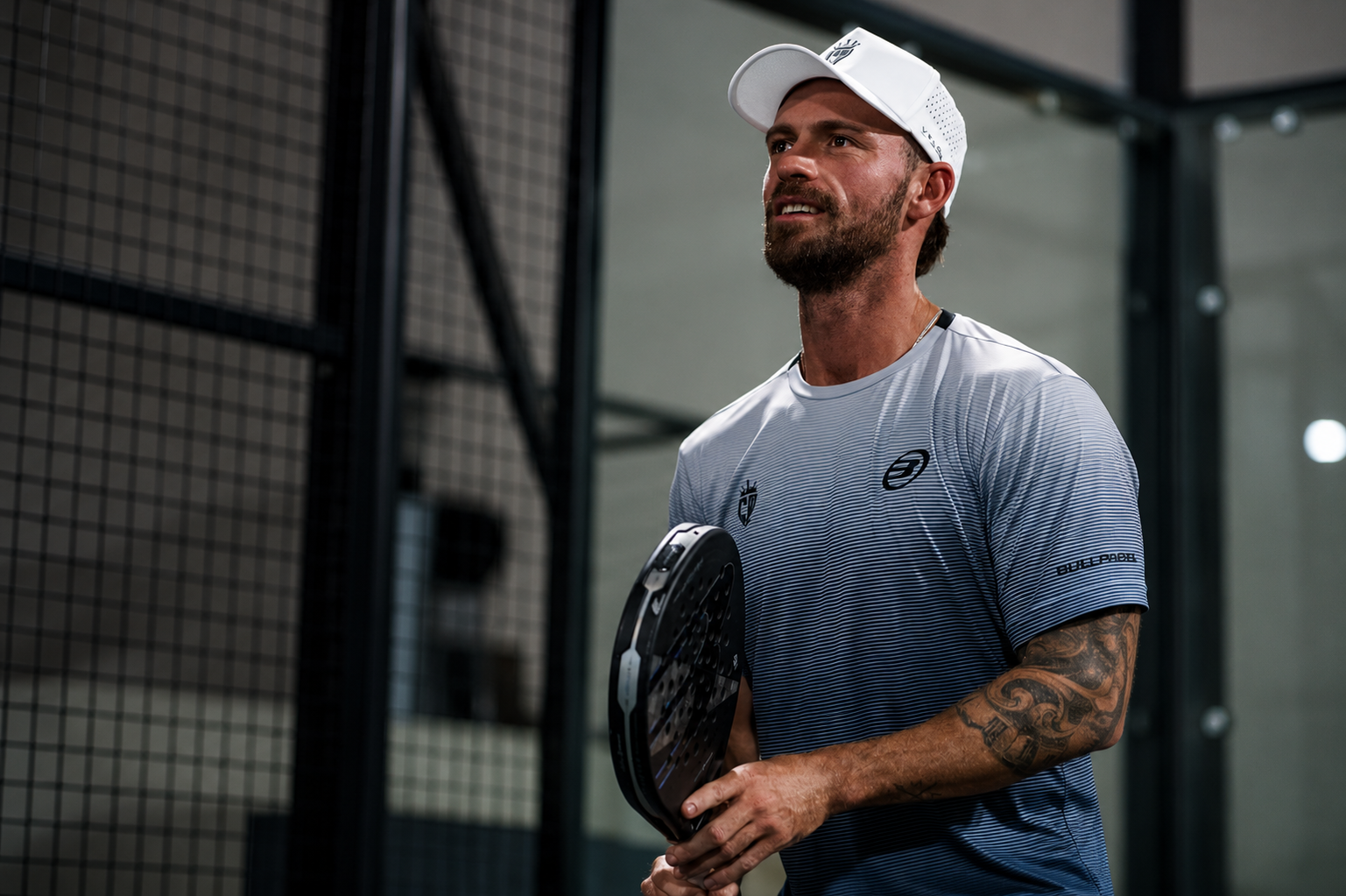
Today, Tremayne balances coaching at Coalition Padel with competing at some of the highest levels locally, while continuing to build himself into a more complete player physically, mentally, and tactically.
His game is built around control and aggression.
A player who wants to dictate.
Someone who enjoys taking ownership of the court rather than reacting to it.
“My attacking game, and more specifically my aerial game, is where I believe my biggest strengths lie.”
But what stands out most about Tremayne is not confidence.
It’s awareness.
He speaks openly about the importance of maintaining his body, improving his padel IQ, refining shot selection, and understanding how quickly form can disappear if balance is lost.
That level of self-awareness is becoming increasingly important as South African padel continues to evolve into a far more competitive environment.
THE REAL BATTLE BEHIND HIGH PERFORMANCE
In a sporting world obsessed with constant positivity, there’s something refreshing about athletes who are honest about the difficult periods, too.
“The last few months have taught me that form is temporary and can change very quickly.”
That honesty matters.
Because every serious player understands exactly what he means.
One month, everything feels effortless.
Next, you feel disconnected from your timing, your confidence, your instincts.
Bad spells are part of the game.
And according to Tremayne, how you manage yourself during those periods is what ultimately shapes you both as a player and a person.
It’s a mindset that has already taken him into some major moments within the sport, including competing internationally in Amsterdam alongside former three-time world champion Willy Lahoz, as well as appearing in the SA Invitational at Wanderers Stadium alongside South Africa’s top players.
Yet despite the achievements, there’s very little ego in the way Tremayne speaks about himself.
If anything, the focus keeps returning to structure, sustainability, and longevity.
Right now, he says his biggest priority is finding balance between his personal life, coaching responsibilities, and competitive ambitions in order to avoid burnout and continue enjoying the sport.
WHY PARTNERSHIPS MATTER IN PADEL
That balance becomes even more important in padel, where partnerships can shape everything.
For Tremayne, successful partnerships are built on shared values and support.
Not criticism.
Not blame.
“I’ve learned that it’s crucial to be your partner’s biggest supporter rather than their biggest critic.”
Simple. Honest. True.
And probably one of the biggest reasons why players enjoy sharing the court with him.
As the sport continues growing across South Africa, that culture of partnership and accountability is becoming one of the defining characteristics separating padel from many traditional sporting environments.
THE NEXT CHAPTER FOR TREMAYNE MITCHELL
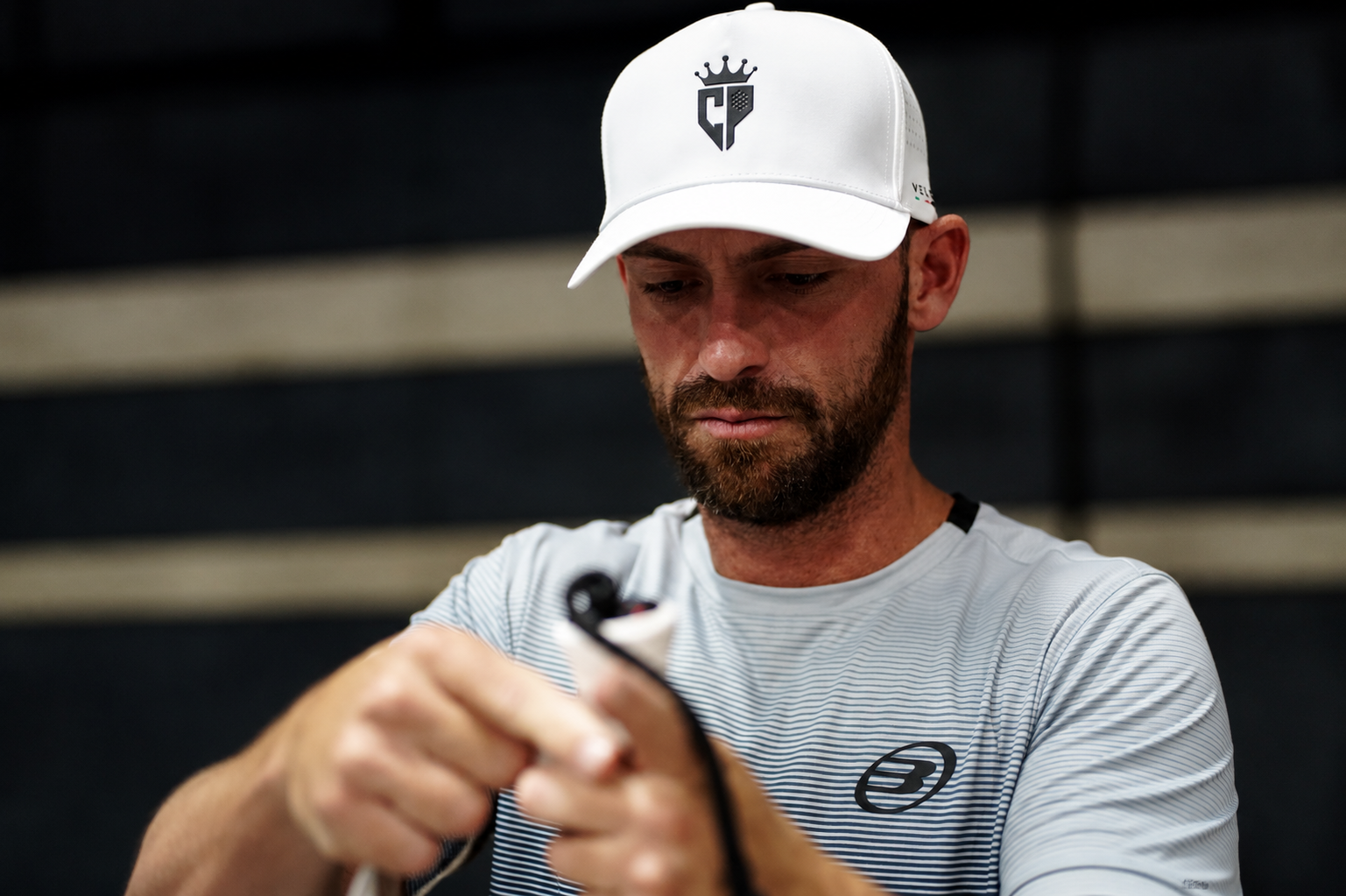
Looking ahead, Tremayne’s goals stretch far beyond rankings and results.
Yes, he wants to keep competing.
Yes, he wants to continue improving.
Yes, he wants to explore opportunities internationally and continue growing alongside brands invested in the sport.
But equally important is helping others improve.
Coaching, teaching, and seeing players evolve has become just as fulfilling as competing itself.
And maybe that’s what makes him such an important figure in South African padel right now.
He represents both sides of the sport.
The competitor is chasing excellence.
And the coach is helping build the culture around it.
“I’m driven by the desire to maximise my potential as both a person and a player.”
There’s something powerful about that mindset.
Especially in a sport growing as fast as padel.
Because while many players are still trying to figure out where the game can take them, Tremayne Mitchell already understands something deeper.
The real journey is who the game forces you to become along the way.
Share this content: