
Namibia’s Padel Revolution Has Begun
Rico Kreitz believes Namibia’s greatest padel years are still ahead.
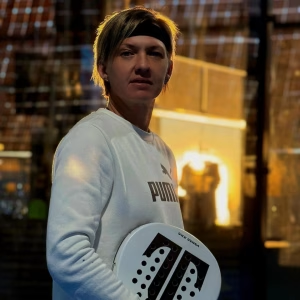
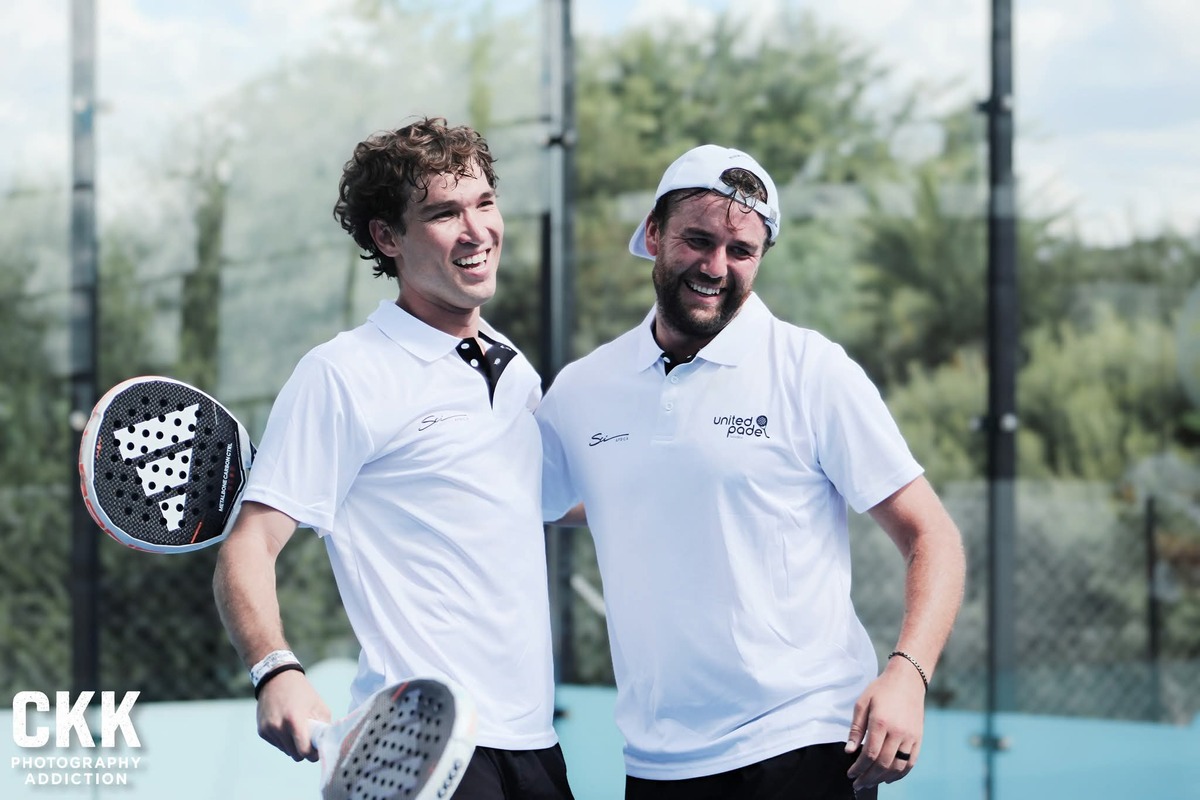
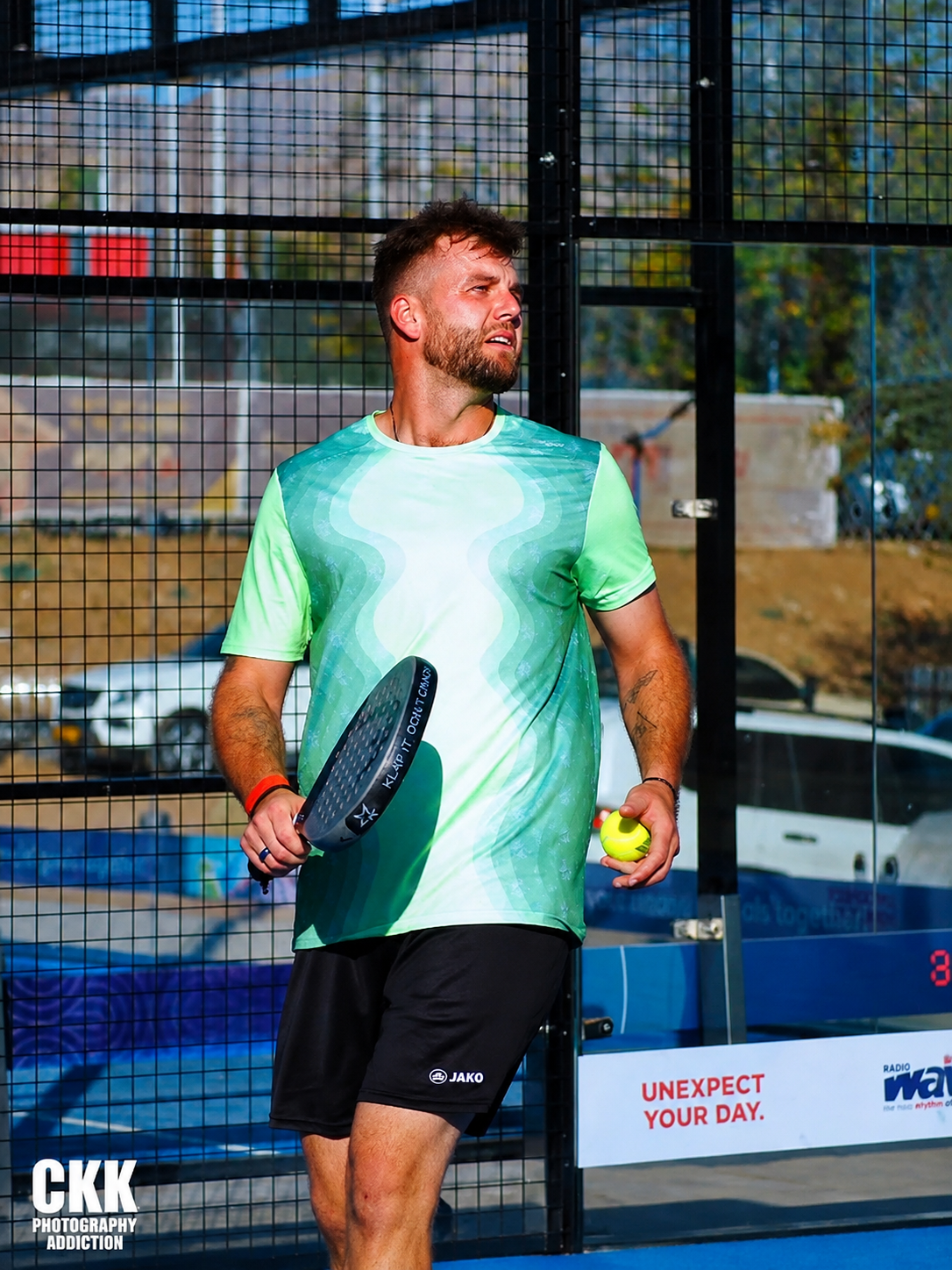
If there is one person with a front-row seat to the rise of Padel in Namibia, it is Rico Kreitz.
Widely regarded as one of Namibia’s leading Padel players and among its first professional coaches, Kreitz has watched the sport develop from just four courts in Windhoek into a growing national movement.
What makes the story particularly interesting is how quickly it has happened.
Namibia’s Padel journey only began in earnest in 2023, yet the country now has eight clubs across its major centres, organised league competition, sponsored tournaments and a growing demand for professional coaching.
For Kreitz, however, this is not the arrival point.
It is the beginning.
“Padel has so many layers to it. It challenges your patience, your fitness, your understanding of the game and your ability to work with a partner. That’s what keeps bringing me back.”
From Fistball to Padel
Kreitz did not come to padel through a traditional racquet-sport background.
Before discovering the game, he built his sporting career in Fistball, a fast-paced team sport with similarities to volleyball. The game is played on a much larger court, with the ball allowed to bounce once before it is returned.
Although Fistball and padel look very different, Kreitz believes the skills he developed through the sport gave him a useful head start.
“My background in Fistball gave me excellent hand-eye coordination. That made adapting to padel much easier.”
The technical transition may have been relatively straightforward, but understanding padel was another challenge altogether.
The glass changes the way points are constructed. Spin becomes more important. Positioning becomes critical. And, unlike a sport where an individual can dominate through power, padel demands constant cooperation with a partner.
“The glass changes everything. Then there’s the spin, positioning and understanding how to build points with your partner. It’s incredibly tactical.”
That tactical element is one of the reasons Kreitz believes Padel has such staying power.
Why Padel Is Taking Off in Namibia
Unlike many racquet sports where power can dominate, padel rewards patience, decision-making and teamwork.
A point can change several times before it ends. Players have to communicate, anticipate what their opponents are trying to create and understand when to attack and when to wait.
For Kreitz, that is where much of the game’s attraction lies.
“It’s never just about hitting harder. The tactical side of padel is what makes it so addictive.”
That combination of accessibility and tactical depth has helped padel attract a broad range of players in Namibia, from complete beginners and social players to increasingly competitive athletes.
And the country’s growth has been remarkably quick.
Namibia’s Padel Boom Began in Windhoek
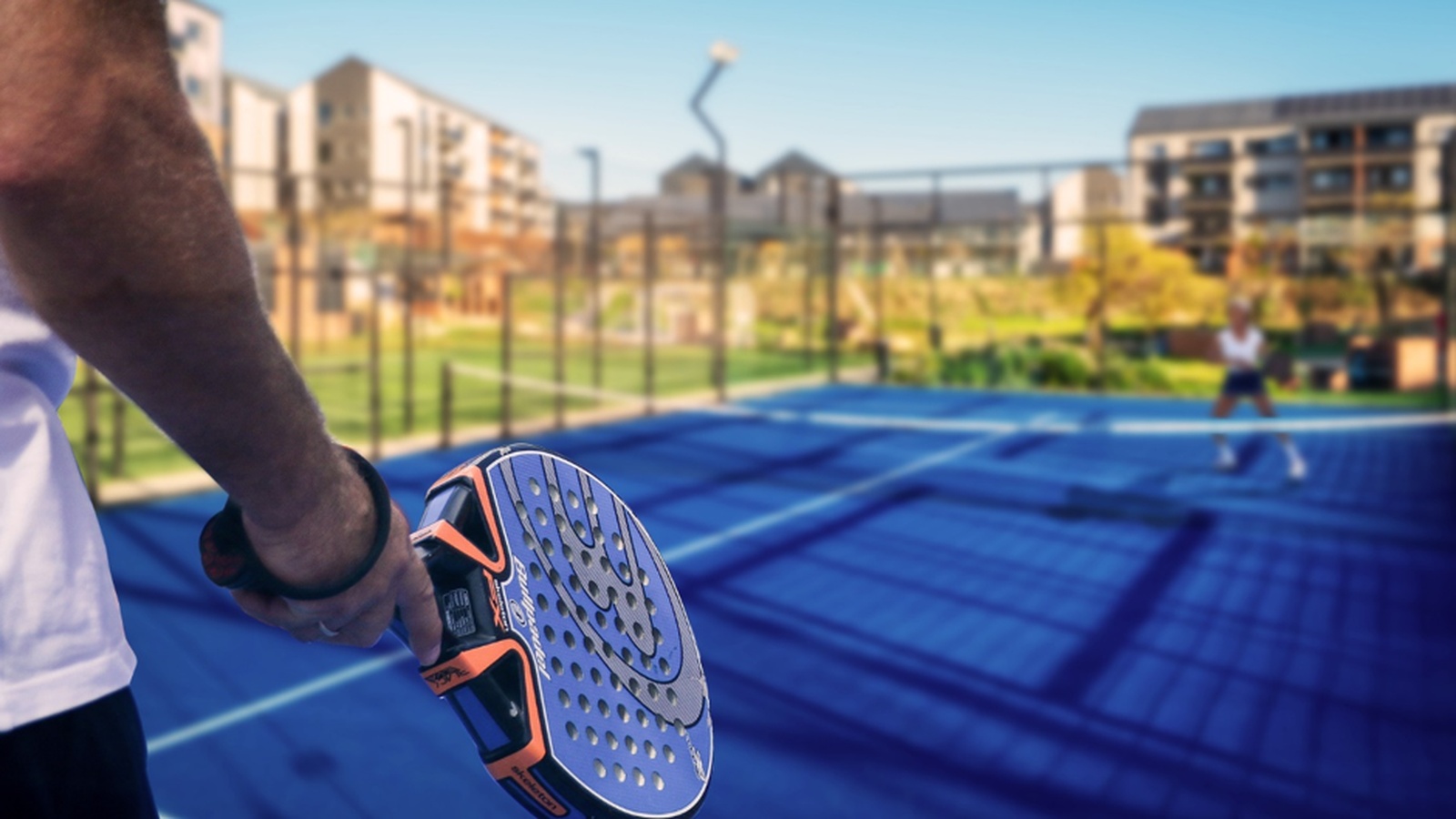
Namibia’s first dedicated padel courts opened in 2023, when Namibia Padel launched four courts in Windhoek.
At the time, there was little indication of just how quickly the sport would spread.
Within a year, another four clubs had opened around the country.
Today, Namibia has eight padel clubs across its major centres.
Padel clubs in Windhoek
- Liv Padel
- Namibia Padel
- United Padel
- Wanderers Padel
Padel clubs along the Namibian coast
- Atlantis Padel in Walvis Bay
- Namibia Padel in Swakopmund
- Dome Padel in Swakopmund
- Jakkalspits Restaurant Padel in Henties Bay
Considering that Namibia’s dedicated padel infrastructure effectively started only two years earlier, the expansion is significant.
Each new facility has introduced hundreds of players to the sport, creating a healthy mix of newcomers, social players and athletes looking for a more competitive challenge.
Building a Padel Community Before a Federation
Rapid growth does not mean everything is already in place.
Namibia’s Padel ecosystem is still developing, and one of the major gaps is governance.
The country does not yet have an official governing federation overseeing the sport.
For players, particularly those with ambitions of competing internationally, that presents challenges.
“We’re busy growing the sport and putting those structures together,” Kreitz explains.
The absence of recognised national structures can make it harder for elite players to secure sponsorships, organise national representation and build pathways into international competition.
Kreitz believes Namibia already has players capable of testing themselves against stronger opposition in South Africa.
“We have strong players who are capable of competing in South Africa and gaining valuable experience, but without official structures it’s difficult to secure sponsorships or organise national representation.”
It is a familiar pattern in developing sporting markets.
Participation comes first. Infrastructure follows. Competition becomes more organised. Eventually, formal governance needs to catch up with the growth happening on the ground.
Namibia appears to be moving through that process now.
The Namibia Padel Premier League Is Raising the Standard
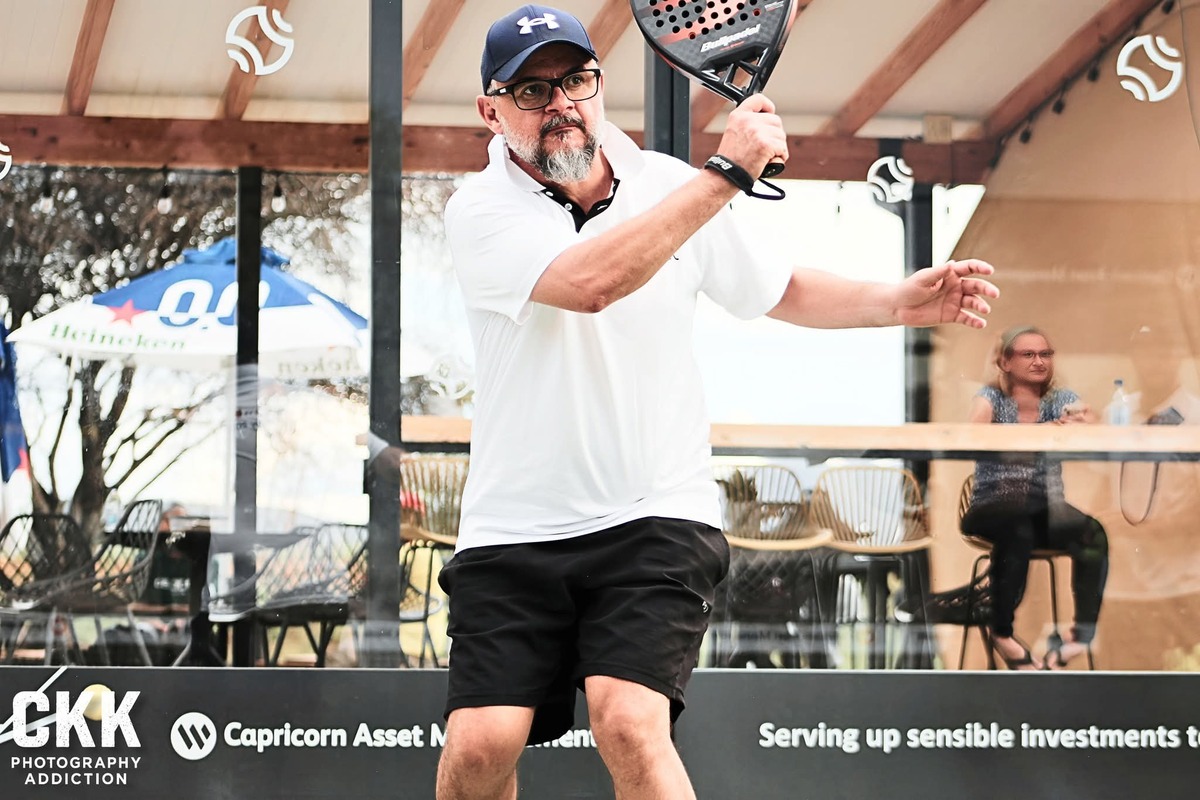
While social padel remains an important part of the country’s growth, competitive padel is developing rapidly.
The country’s flagship competition is the Namibia Padel Premier League (NPPL).
The men’s competition runs over 11 weeks and currently features two divisions.
The Premier Division brings together Namibia’s strongest players, while the Challengers Division allows emerging competitors to develop by playing against increasingly stronger opposition.
The women’s competition currently has one division, reflecting a player base that is still growing.
But that growth is encouraging.
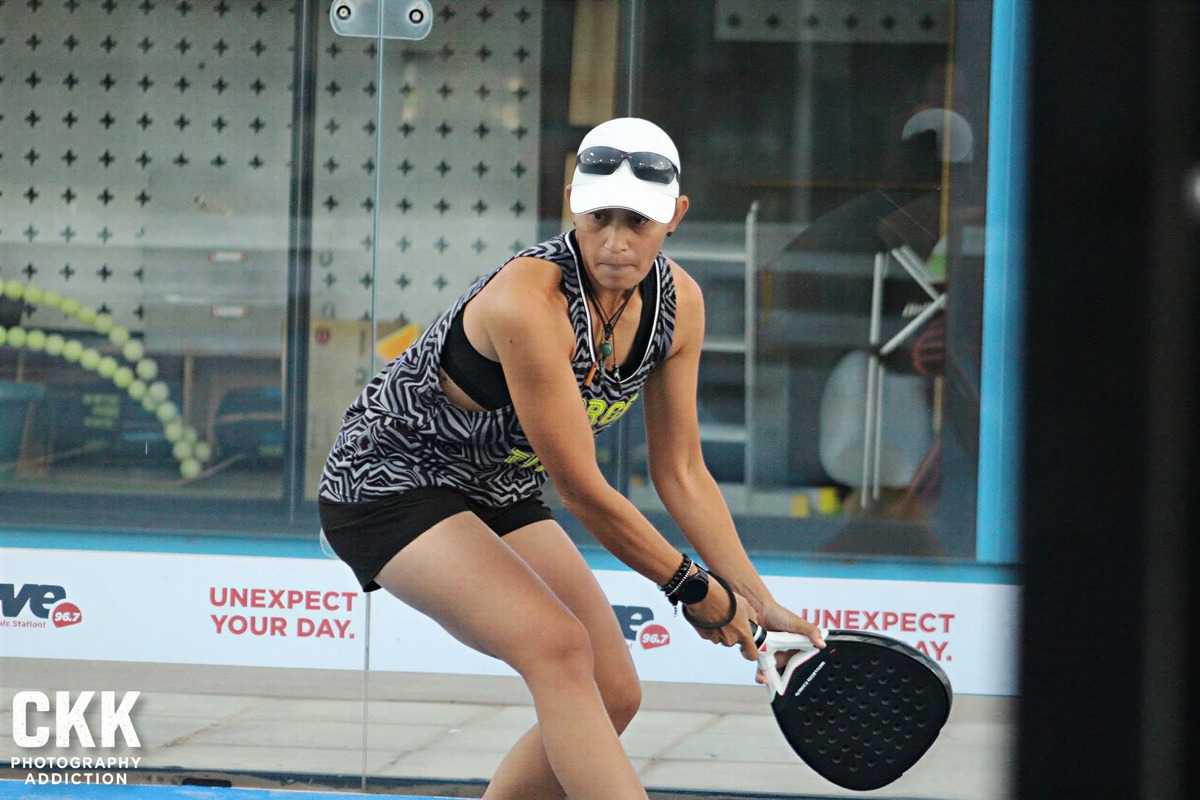
“Women’s Padel is getting bigger every year. The numbers are increasing and the standard continues to improve.”
Beyond league competition, Namibia also hosts three major knockout tournaments sponsored by Heineken 0.0.
These events have quickly become important dates on the local padel calendar, allowing the country’s strongest players to compete in high-pressure tournament environments.
As the standard rises, so does the ambition of Namibia’s leading players.
Coaching Demand Is Growing
Perhaps one of the clearest signs that padel in Namibia is maturing is the growing demand for coaching.
When the sport first arrived, many players simply wanted to understand the basics and enjoy a social game.
That is changing.
“In the beginning coaching wasn’t really necessary. Now people want to improve. They want to understand tactics, technique and positioning.”
That shift is important.
Players who initially discover padel as an easy-to-play social sport are increasingly realising that there is considerably more to the game once they start looking to improve.
Small technical adjustments can have a major impact on performance.
Better coaching creates better players.
Better players create stronger competition.
Stronger competition gives newcomers something to aspire to.
And that creates another reason for players to keep coming back.
Namibia now appears to be entering that next phase of development.
Namibia’s Padel Technology Is Still Evolving
Technology is another area where the Namibian market is still finding its feet.
While Playtomic has become a widely used platform in many established padel markets, Namibia currently operates differently.
Players use an app called Matchpoint, while individual clubs also manage their own booking systems.
The result is a market where several systems operate alongside each other.
That may create some inconsistency, but it is also a reflection of a young market that is still developing.
As participation increases and more clubs enter the sector, a more unified booking ecosystem could become part of Namibia’s next stage of growth.
For now, the important thing is that players can access courts and continue building the sport.
Looking Across the Border to South Africa
For Namibia, South Africa represents both a benchmark and an opportunity.
South Africa has developed one of Africa’s most established padel markets, with a rapidly expanding network of courts, tournaments, coaching pathways and competitive opportunities.
Kreitz wants Namibia to follow that trajectory.
“Our wish is to reach the same level and standard as South Africa.”
But his ambition is grounded in reality.
“We’re probably never going to be the best country in the world. But I believe we can become one of the strongest padel nations in Africa.”
That may be the most important part of Namibia’s story.
The goal is not necessarily to become a global giant overnight.
It is to build properly.
Every new court brings new players into the sport.
Every league season creates more competitive experience.
Every coaching session raises standards.
And every junior player represents another potential generation of Namibian Padel.
The Future of Padel in Namibia
The story of Namibian padel is still being written.
Just a few years after the sport’s arrival, the country already has eight clubs, organised league competition, sponsored tournaments and a rapidly developing coaching culture.
There is still plenty of work ahead.
National governance needs to be formalised. Sponsorship opportunities need to grow. And international pathways will need to be developed if Namibia’s best players are to compete more regularly beyond the country’s borders.
But perhaps the clearest indication that the sport is succeeding is much simpler.
People are hooked.
They’re playing more often.
They’re asking for coaching.
They’re competing harder.
And they’re building a community around one of the world’s fastest-growing sports.
For Rico Kreitz, that is exactly how lasting sporting cultures begin.
“The future is exciting. Every year the level improves, more people join the sport and the passion keeps growing.”
If the first few years are anything to go by, Namibia’s Padel revolution has only just begun.
Share this content: