


The South African Padel Story: Where It All Began
By Luke Potter
Player • Coach • Founder • Administrator
There is something quite special about looking back at old photographs.
Sifting through old photographs and memories while preparing this article, I am reminded just how far padel has come in South Africa and how quickly it happened.
When I think about those early days, it is difficult to believe how different the sport looked. Over the coming issues of Padel Pulse, we will unpack the people, places and moments that helped shape the game we know today: the pioneers, the early adopters, the risk-takers and the players who believed in a game few South Africans had even heard of.
There was no Playtomic. No Diamond League. No national ranking system.
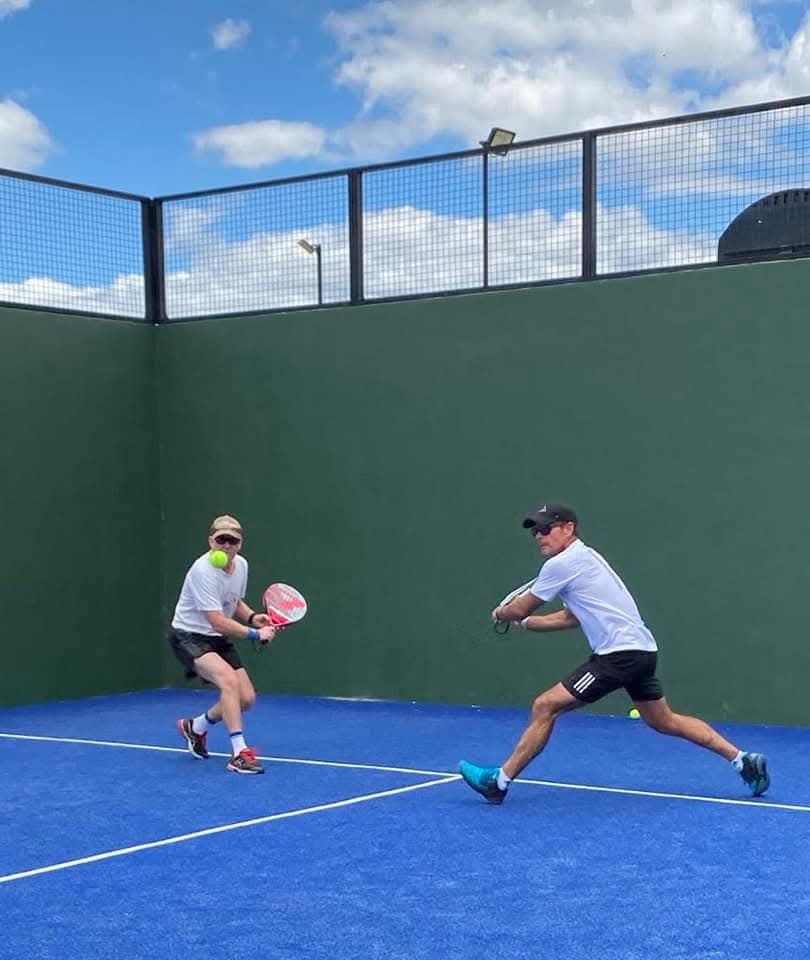
There were only a handful of courts, a handful of players and very little understanding of terms like bandeja or vibora.
Yet from those humble beginnings, something remarkable began to grow.
The World’s Slowest Fastest-Growing Sport
Although many people view padel as a new sport, its origins date back to 1969.
For decades it enjoyed popularity in Mexico, Argentina and Spain before gradually expanding across Europe and beyond. The real catalyst came when professional tours and television broadcasts made the sport visible to audiences around the world.
South Africa would eventually join that movement.
But first, we need to settle an old debate.
Where Did Padel Begin in South Africa?
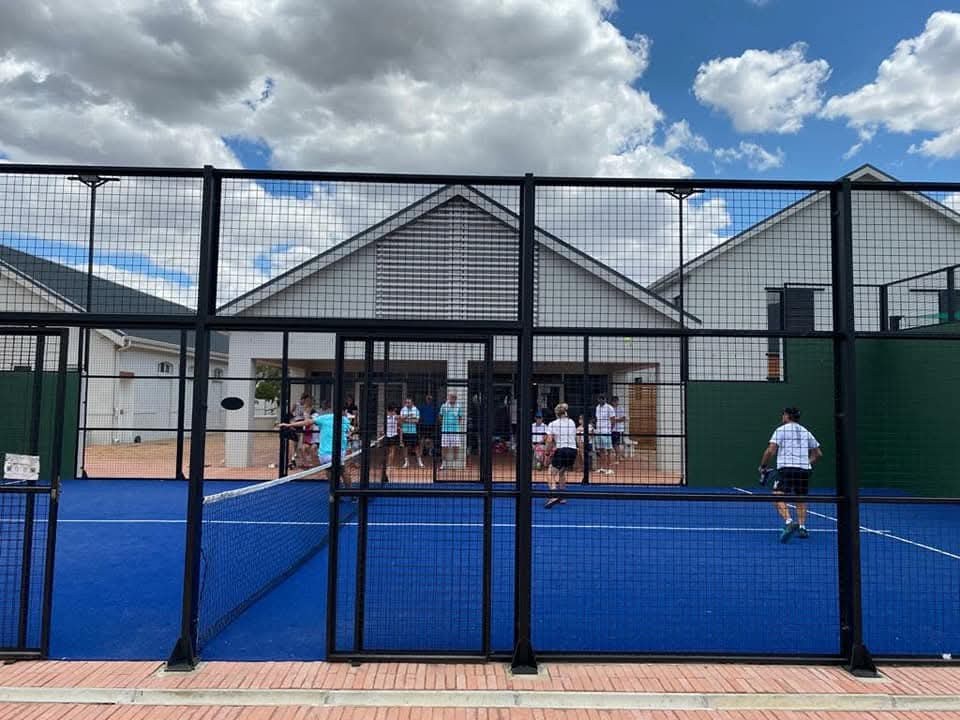
While Gauteng was opening commercial courts, another important chapter was being written in the Cape Winelands.
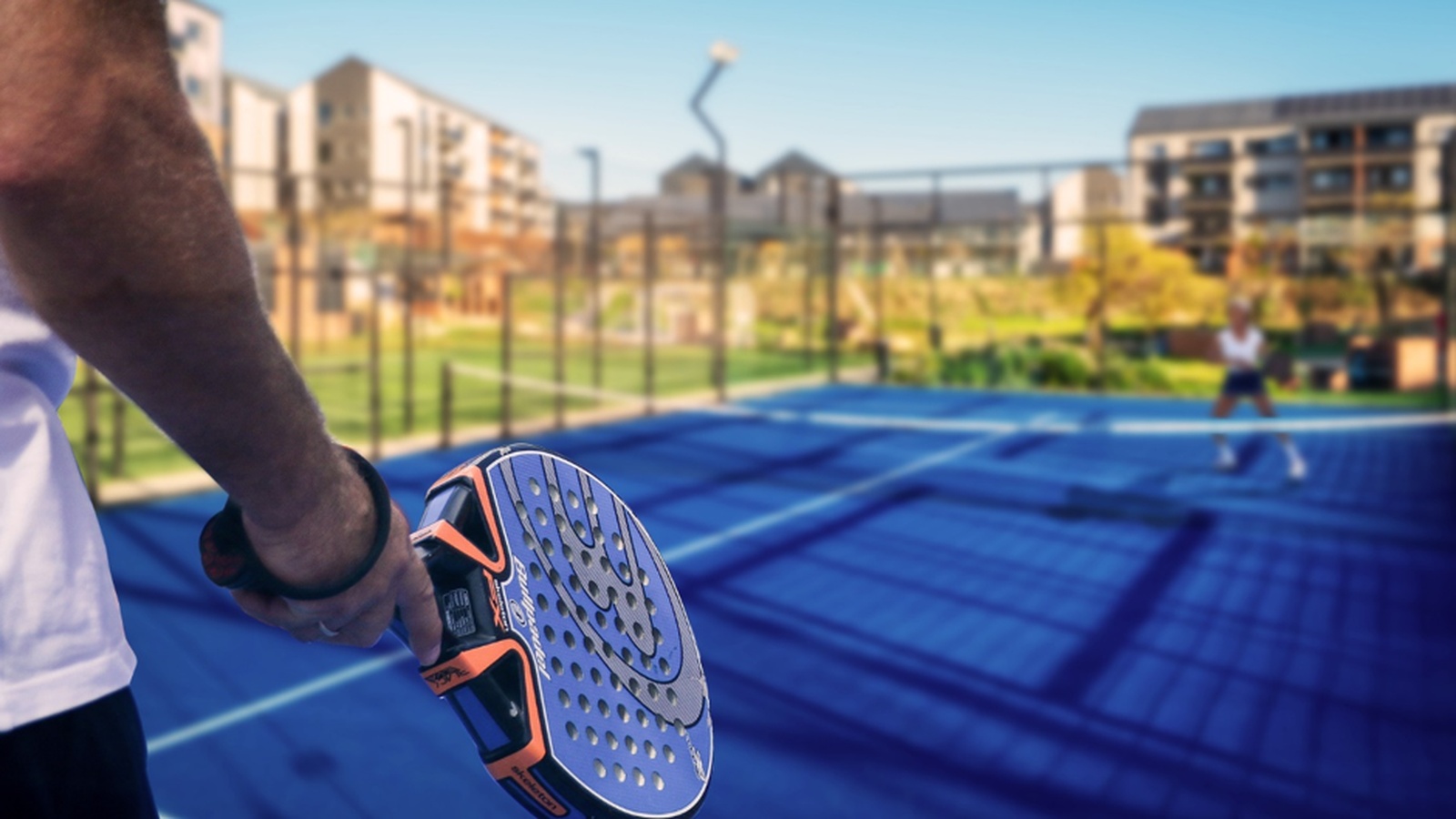
At Val de Vie Estate in Paarl, a single brick padel court was built for residents.
The response was immediate.
Players fell in love with the sport. Demand grew rapidly.
A new challenge emerged: finding equipment.
There were no specialist padel retailers and very few local suppliers.
Looking back, this was another indication that something was beginning to happen. People wanted to play, but the infrastructure around the sport had not yet caught up with the interest.
An opportunity was beginning to reveal itself.
Enter the Pioneers
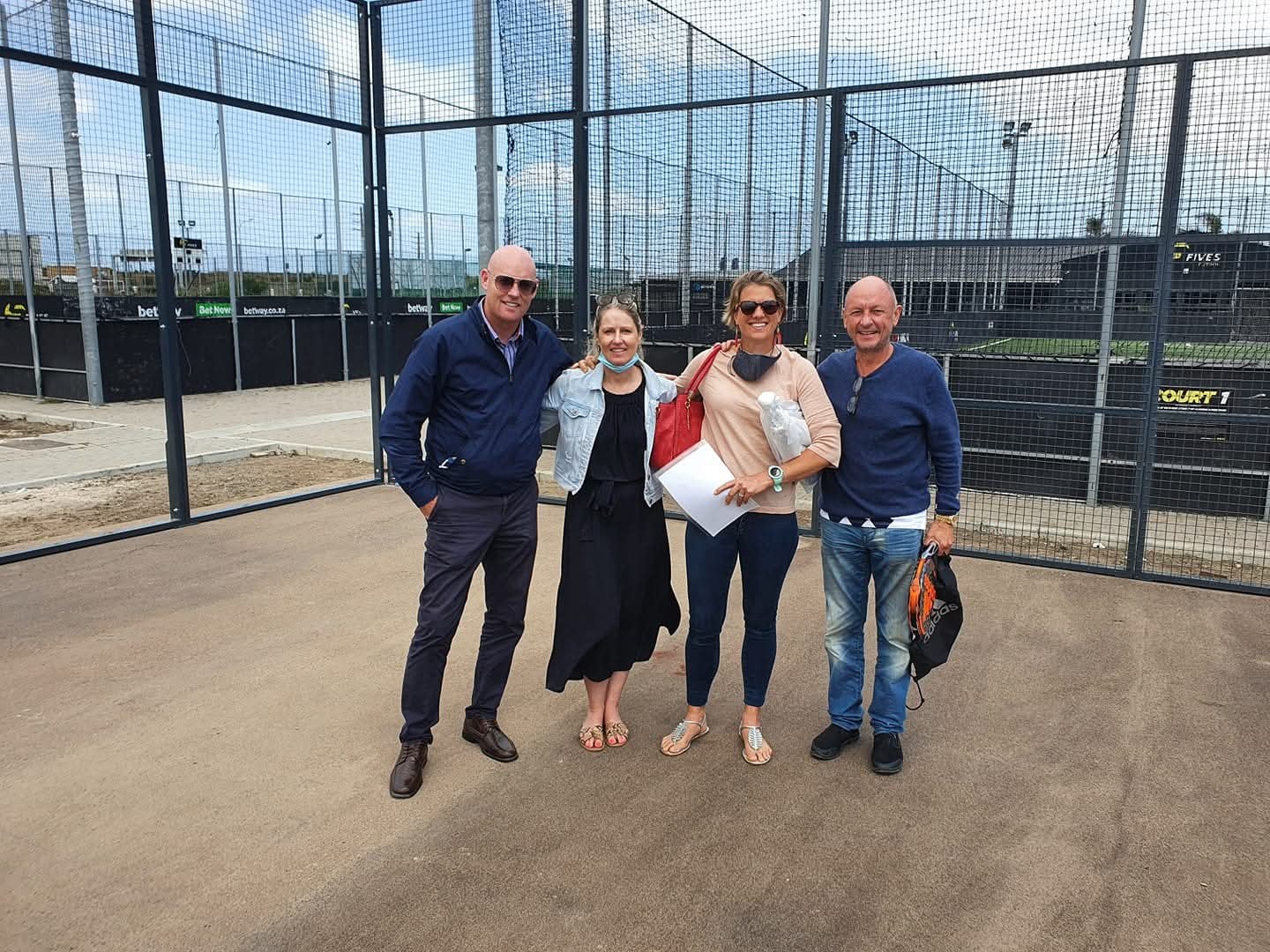
At the same time, Katherine Horstmann and Brit King were discovering padel and envisioning its future in South Africa.
Together they secured space at the Fives Football Arena in Century City and began importing courts from Portugal.
Like many pioneers, they quickly discovered that building a new sport required significant investment.
The search for partners and investors began.
South African padel was slowly finding its key characters.
At this stage, nobody could know exactly how far the sport would eventually go. There was no established playbook for building padel in South Africa. The people involved were learning as they went, taking risks and trying to create something that did not yet have an established place in the country’s sporting landscape.
The Beginning of My Story
y own journey into padel began through tennis.
At the time I had launched an online store called The Sports Essence.
One day Adam Fine from the Fives Football group called me and suggested I should start selling padel racquets.
Like many South Africans at the time, I thought he was talking about paddle boards.
He told me to Google the sport.
I did.
Within minutes I was hooked.
Looking back now, I had no idea that a simple phone call would eventually lead to leagues, national teams, international tours, coaching, administration and a lifelong passion for the game.
But that is the interesting thing about beginnings.
You rarely know you are standing at one while it is happening.
At the time, I was simply discovering a sport that was still largely unknown in South Africa. I had no idea what role it would eventually play in my life, or how many of the people I would meet through the game would become part of the wider South African padel story.
That story would take me far beyond selling racquets.
But that is a story for another chapter.
Looking Back at the Beginning
When I look back now, what stands out is just how small the South African padel community was in those early days.
There were only a handful of courts and a handful of people who really understood the game.
The systems and structures that players take for granted today did not exist.
There were no national rankings. No established leagues. No easy way to book a court through an app. No mature equipment market.
There was simply a group of people who saw something in padel and were prepared to give it a chance.
Some built courts.
Some imported equipment.
Some invested money.
Some started playing.
And some, like me, simply stumbled across the sport and quickly became fascinated by it.
Looking at where South African padel is today, it is remarkable to think that this is where it started.
The sport was still finding its feet, but the people who were there in those early years were already beginning to create the foundations for what would come next.
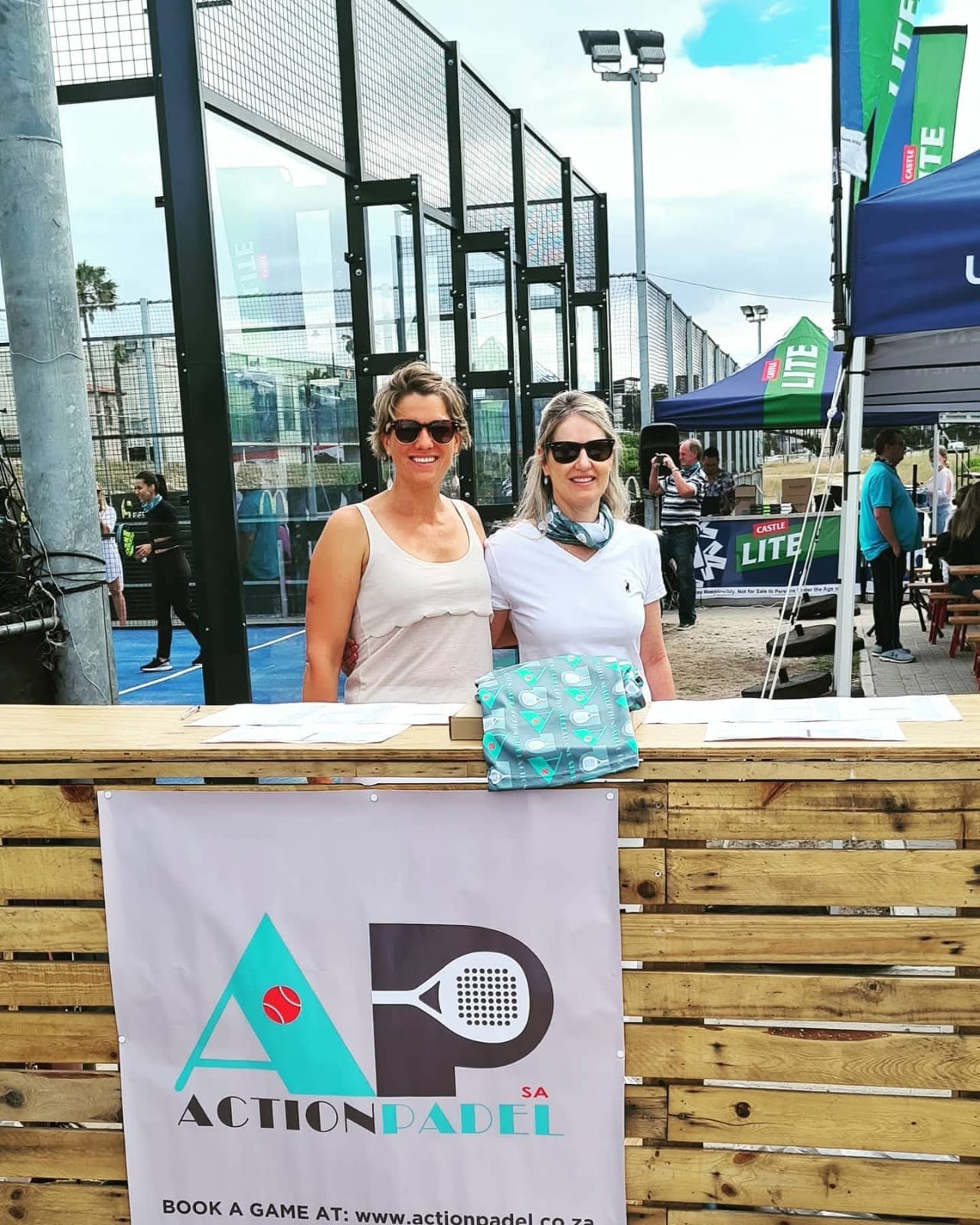
To Be Continued…
In Chapter 2, we explore how a small group of passionate believers helped launch South Africa’s first leagues, inter-club competitions and national structures — and ultimately laid the foundations of modern South African padel.
The story was only just beginning.
– Luke Potter
About Luke Potter
Luke Potter is one of the pioneers of South African padel. Having served as a player, coach, founder and administrator, he has witnessed the growth of the sport from its earliest days in South Africa.
In this exclusive Padel Pulse series, Luke takes readers behind the scenes of the people, places and moments that helped shape the game we know today.
Share this content: