


The Ranking Illusion: Building Fair Pathways for South Africa’s Youth in Padel

By Aadila Seedat
Padel in South Africa is growing at an incredible pace. But with that growth comes responsibility.
The opportunity to shape meaningful pathways for young players is both exciting and critical. If we are to truly empower the youth of South Africa through padel, we must ensure that the structures we put in place are fair, credible, and aligned with international standards.
A key component of this development is the establishment of a national ranking system.
Rankings are far more than just standings on a leaderboard – they influence player development, tournament selection, sponsorship opportunities, and long-term career progression. For this reason, the system must be built on principles of fairness, consistency, and integrity.
The Global Benchmark Already Exists
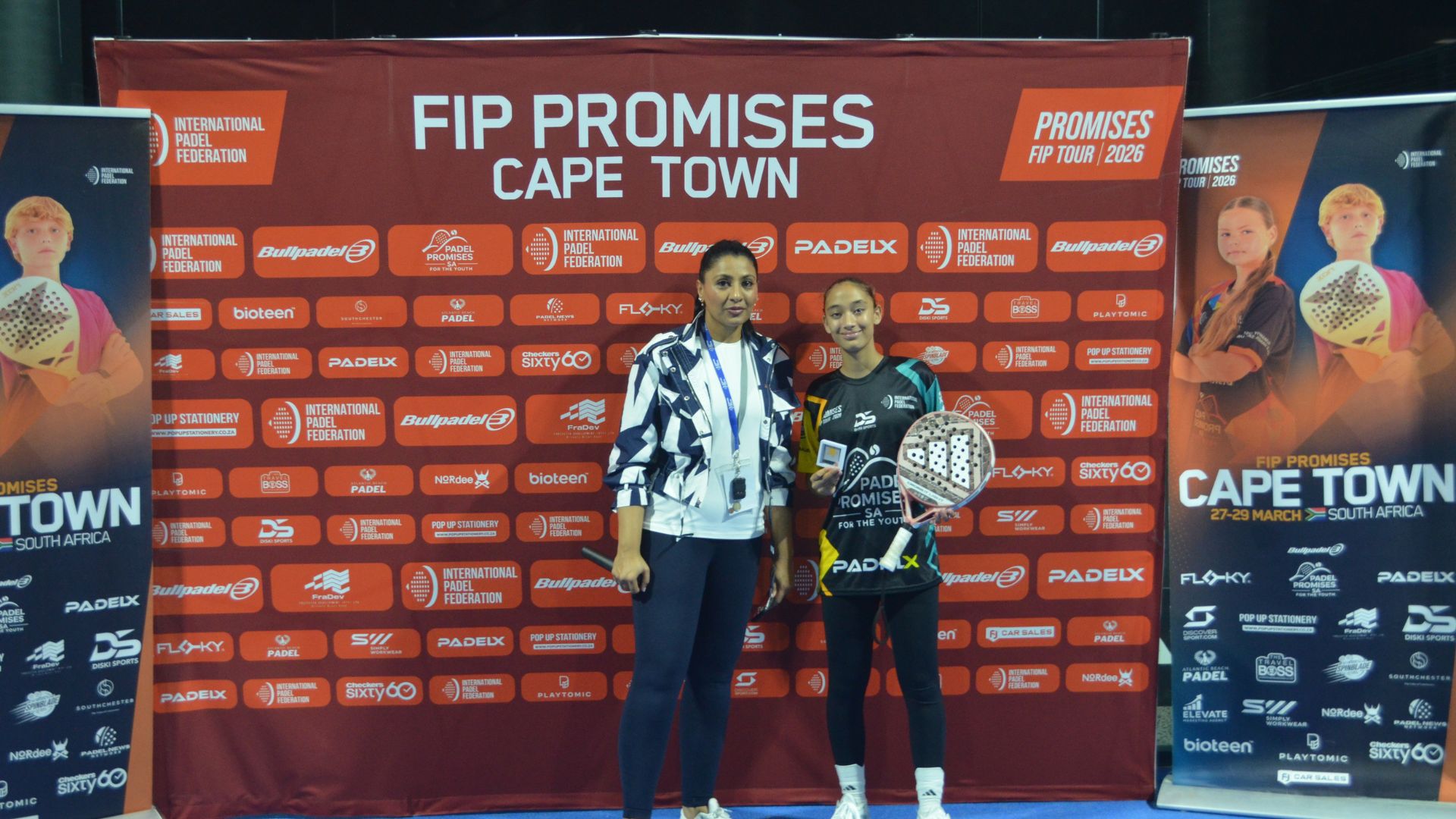
Internationally, padel operates within structured systems governed by recognized bodies. These systems are respected because they are built on standardized match formats, regulated competition, and merit-based progression.
South Africa does not need to reinvent the wheel.
It needs to align with proven frameworks – while adapting them responsibly for local growth.
Where the Concern Lies
A growing concern within the local landscape is the use of Americano-style tournaments as a basis for awarding ranking points.
While these formats are:
- Inclusive
- Enjoyable
- Valuable for social participation
They are not designed for competitive ranking systems – especially at youth level.
Americano formats:
- Rotate partners
- Limit consistency in competition
- Do not reflect true match-play conditions
Awarding ranking points through such formats introduces inconsistencies and creates pathways that may not accurately reflect a player’s true ability.
Why This Matters for Youth Development
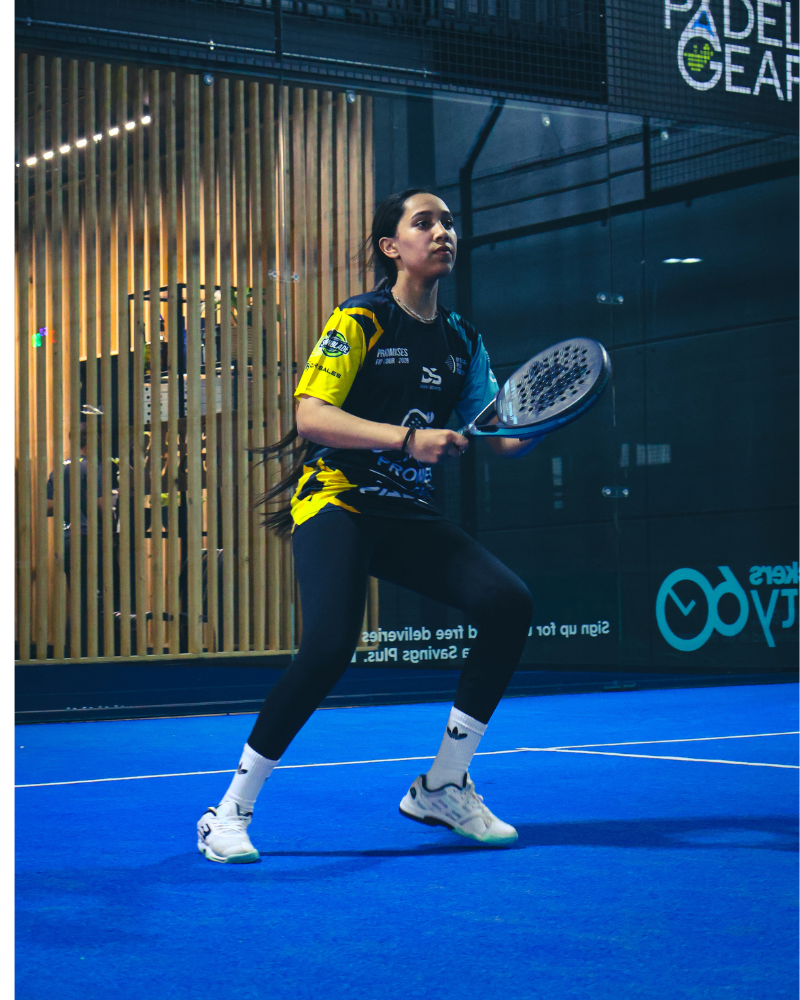
Junior players rely on structured systems to guide their development.
If rankings are not credible:
- Player progression becomes unclear
- Talent identification is compromised
- International alignment becomes difficult
We risk creating a system where perceived progress does not translate into real competitive readiness.
The Responsibility of Leadership
Any organization positioning itself within the sport carries a responsibility to uphold standards.
This includes:
- Ensuring fair competition formats
- Aligning with international best practices
- Maintaining transparency in ranking systems
Without these principles, rankings risk becoming symbolic rather than meaningful.
The Way Forward
South Africa has a unique opportunity to build a strong foundation for padel.
This requires:
- A unified approach
- Clear and consistent structures
- Commitment to global alignment
Most importantly, it requires prioritizing long-term development over short-term visibility.
Final Word
Empowering the next generation of players is about more than participation.
It is about creating pathways built on trust, fairness, and excellence.
Because in padel –
The system you build determines the future you create.
Padel Pulse will be facilitating an industry discussion on rankings and the future of padel in South Africa. Stakeholders interested in contributing are invited to connect.
Email craig@padelballife.com
Share this content: