

5 Things You Notice Walking into a Padel Club in South Africa Right Now

There was a time when visiting a padel club was little more than squeezing in a quick game before heading home. You arrived just in time for your booking, played for an hour, shook hands and disappeared into the rest of your day.
That version of padel still exists in pockets, but it no longer defines the experience.
Spend an afternoon at almost any busy padel club in South Africa, and you’ll quickly realise that something has changed. The courts remain the centrepiece, but they are no longer the whole story. Around them, a culture has quietly taken shape. Friends gather over coffee before matches, strangers become doubles partners, coaches stop to chat with newcomers and players linger long after the final point has been played.
The sport is still growing at an incredible pace, but what’s happening inside the clubs feels even more significant than the number of new courts opening around the country. The foundations of a genuine sporting community are being built, one conversation, one match and one post-game coffee at a time.
Here are five things you’ll almost certainly notice the next time you walk through the gates.
1. Players Are No Longer Just Visiting. They’re Belonging.
One of the first things that stands out isn’t happening on the court at all.
It’s happening around it.
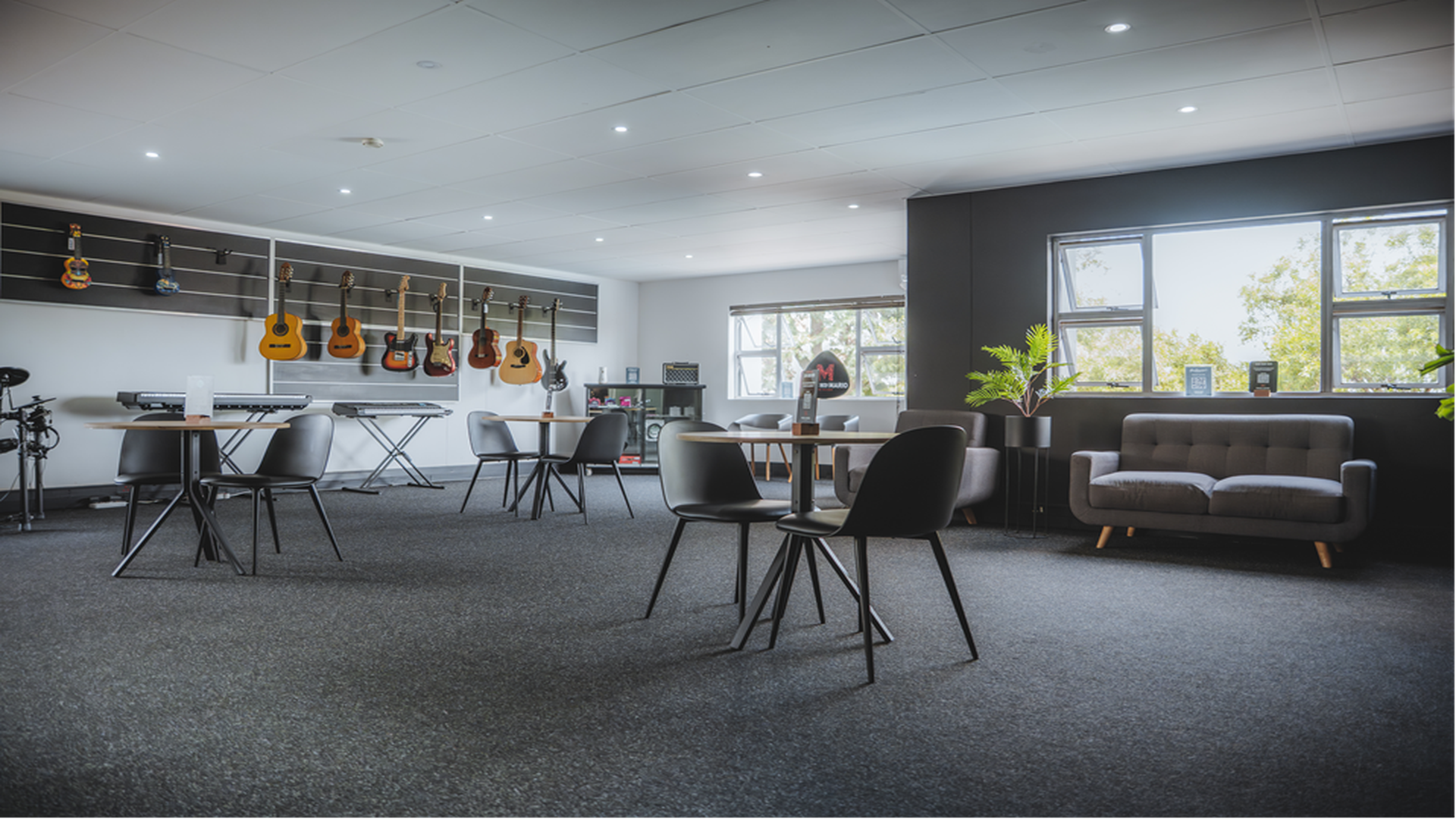
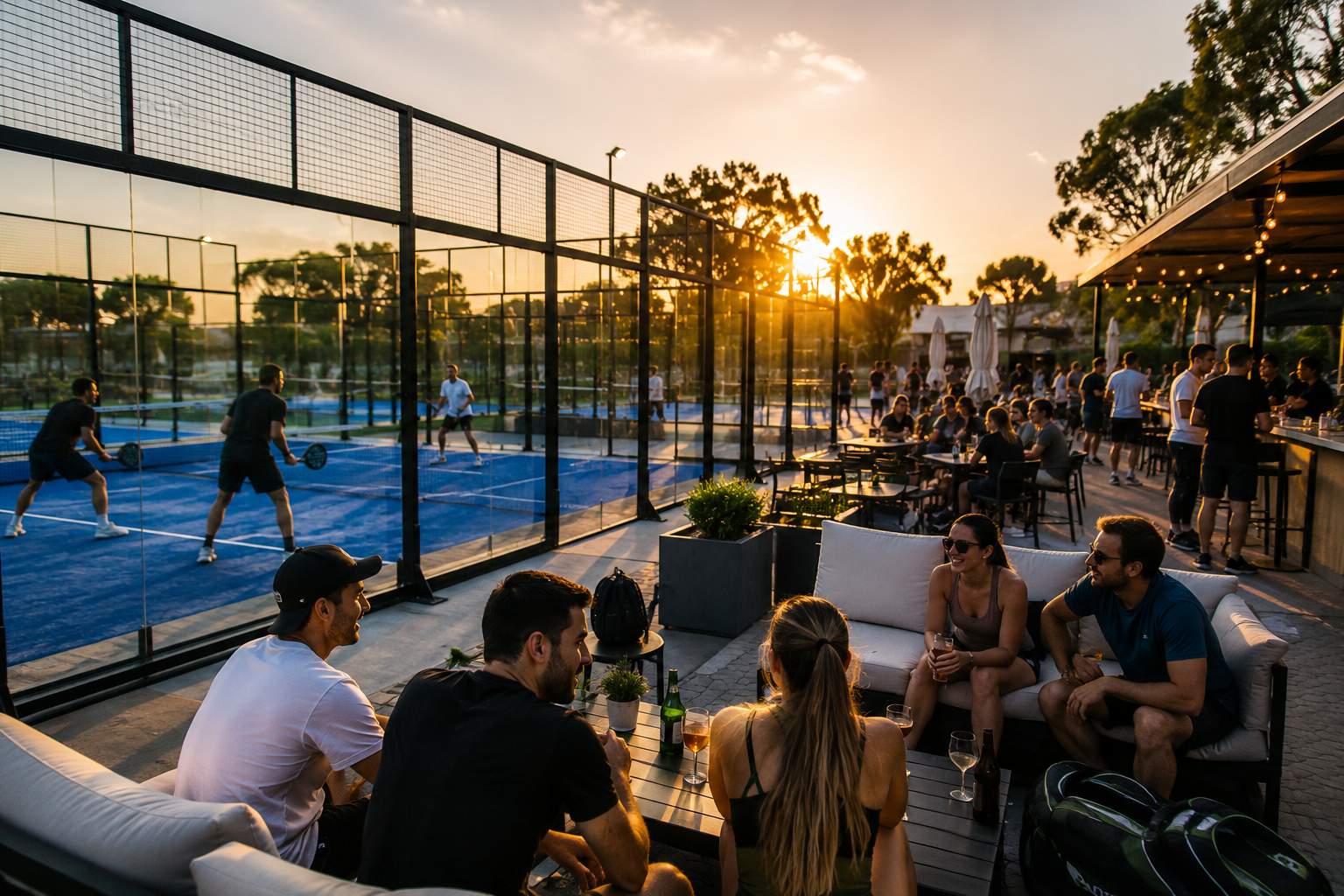
The café is busy before the first serve has even been struck. Groups of players are catching up over breakfast after an early morning session, while others arrive well before their booking simply to spend time at the club. By late afternoon, the atmosphere shifts again, with work colleagues replacing morning regulars and families arriving to support evening league matches.
It feels less like a sports facility and more like a neighbourhood gathering place.
That’s perhaps the biggest change padel has brought to South African sport. Unlike many traditional sporting codes where players arrive, compete and leave, padel encourages people to stay. Matches become conversations, conversations become friendships and friendships often become weekly rituals.
Many players will tell you that the game first brought them to the club, but it’s the people who keep them coming back.
That sense of belonging cannot be manufactured. It develops naturally, and once it takes hold, it becomes one of a club’s greatest strengths.
2. The Standard of Club Padel Has Improved Dramatically
Watch a few recreational matches today, and you’ll notice something else.
The average player is simply better than they were a year ago.
Rallies are longer. Players are beginning to understand positioning rather than chasing every ball. Partners communicate more effectively and points are won through patience instead of trying to finish every rally with one spectacular shot.
It’s a subtle evolution, but an important one.
As more qualified coaches enter the game and experienced players share their knowledge, the learning curve has become much shorter. Newcomers who once took years to develop basic tactical awareness are now improving within months.
That rising standard benefits everyone.
Beginners have better players to learn from, clubs enjoy more competitive leagues and the overall quality of the game continues to climb.
It’s one of the clearest signs that South African padel is moving beyond its introduction phase and beginning to mature as a sport.
3. Strategy Is Becoming More Important Than Power
Every emerging sport goes through a similar journey.
At first, enthusiasm outweighs technique. Players rely on athleticism, instinct and sheer effort.
Eventually something changes.
People begin to understand how the game is meant to be played.
That shift is becoming increasingly visible across South African padel clubs.
Instead of swinging wildly from the back of the court, players are learning to construct points. They move together as partners, protect the middle, use the glass intelligently and wait patiently for the right opportunity rather than forcing spectacular winners.
The strongest players aren’t necessarily the hardest hitters anymore.
They’re the smartest thinkers.
It’s this tactical side of padel that keeps so many people fascinated. Every match becomes a puzzle to solve rather than simply a test of physical ability.
The more you play, the more you realise that padel rewards intelligence just as much as talent.
4. Everyone Is Watching Everyone Else
Perhaps the most encouraging development has nothing to do with winning or losing.
People have become genuinely interested in learning from one another.
Walk around the courts between matches and you’ll see players leaning against the glass watching the action unfold. They discuss clever rallies, admire well-executed shots and quietly analyse different playing styles.
Beginners often stop to ask experienced players for advice.
Coaches explain positioning to curious spectators.
League players stay behind to watch the next fixture instead of rushing home.
That curiosity creates something every successful sport needs.
Culture.
Sport has never been built solely on competition. It grows through shared experiences, conversations and the willingness of one generation of players to help the next.
South African padel is beginning to develop exactly that kind of environment.
5. Nobody Seems in A Hurry to Leave
If there is one observation that captures everything currently happening in South African padel, it’s this.
Nobody really wants to leave.
Matches finish, yet the club remains alive.
Players order another coffee.
Someone suggests one more social set.
Children continue hitting balls while parents chat nearby.
New friendships are formed almost by accident.
Hours disappear without anyone noticing.
It’s a small detail, but perhaps the most meaningful one of all.
People don’t voluntarily spend time in places where they don’t feel comfortable.
The fact that so many players choose to extend their visit long after their booking has ended speaks volumes about what padel clubs have become.
They’re no longer simply places to play sport.
They’re places where communities are quietly taking shape.
The Future of Padel Will Be Built Inside Clubs
It’s easy to measure the growth of padel by counting courts, tournaments or registered players.
Those numbers matter.
But they don’t tell the whole story.
The real measure of a sport’s future lies in the strength of its community.
Healthy sporting cultures are built through shared experiences, welcoming environments and friendships that extend beyond competition. Every thriving football club, golf club and running community has followed the same path.
Padel is now writing its own version of that story.
Across South Africa, clubs are becoming more than sporting venues. They’re becoming social spaces where people unwind after work, celebrate birthdays, introduce friends to the game and create routines that become part of everyday life.
That’s a far more meaningful milestone than any participation statistic.
Because when people begin organising their lives around a sport rather than simply making time for it, you know you’ve reached something special.
The courts may have introduced South Africans to padel.
The communities growing around them will ensure they’re still playing for years to come.
Frequently Asked Questions
Why is padel growing so quickly in South Africa?
Padel combines fitness, accessibility and social interaction, making it one of the easiest sports for beginners to enjoy while still offering enough tactical depth for experienced players.
What makes a modern padel club different?
Today’s clubs have evolved into lifestyle destinations where players socialise before and after matches, creating communities that extend well beyond the court.
Is coaching important in padel?
Yes. As players improve, coaching becomes increasingly valuable because padel rewards positioning, teamwork and tactical awareness just as much as technical ability.
Can beginners enjoy playing padel?
Absolutely. One of the biggest reasons for the sport’s growth is that beginners can enjoy competitive rallies within their first few sessions.
Why do players spend so much time at padel clubs?
The social nature of padel encourages people to stay after matches, making clubs feel more like community hubs than traditional sports facilities.
Share this content: