



Stop Treating Padel Like Tennis

Why copying tennis culture is quietly holding padel back – and what the sport must protect if it wants to grow properly
Padel Isn’t Growing Because It’s Familiar
It’s growing because it’s different.
And yet, everywhere you look, padel is being packaged, marketed and managed like tennis.
From coaching structures and club operations to Instagram clips, TikTok highlights, YouTube features and branded content, padel is slowly being pushed into a mould it was never designed to fit.
This might feel harmless.
It isn’t.
In fact, the fastest way to damage padel’s long-term growth is to treat it like a smaller, trendier version of tennis.
Why This Conversation Matters Now
Padel in South Africa is still in its formative years.
The decisions being made today – by clubs, coaches, brands and content creators – will define the sport’s culture for the next decade.
And here’s the uncomfortable truth:
The moment padel starts copying tennis, it starts losing the very qualities that made people fall in love with it.
This article unpacks where the crossover happens, why it’s a problem, and what padel needs to protect if it wants to mature without losing its soul.
Padel’s Power Has Always Been Social, Not Hierarchical
Tennis is built on structure, ranking and separation.
Padel is built on proximity.
- Smaller courts.
- Four players.
- Glass walls.
- Constant interaction.
This isn’t accidental – it’s cultural.
Padel thrives because:
- Beginners can play alongside advanced players
- Matches feel inclusive, not intimidating
- Clubs feel social before they feel competitive
When tennis-style hierarchy creeps in – rigid ranking systems, elitist access, over-formal environments – padel stops feeling welcoming and starts feeling exclusive.
And that’s where growth quietly slows.
Coaching Isn’t the Same – and Shouldn’t Be
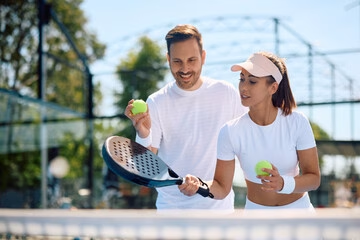
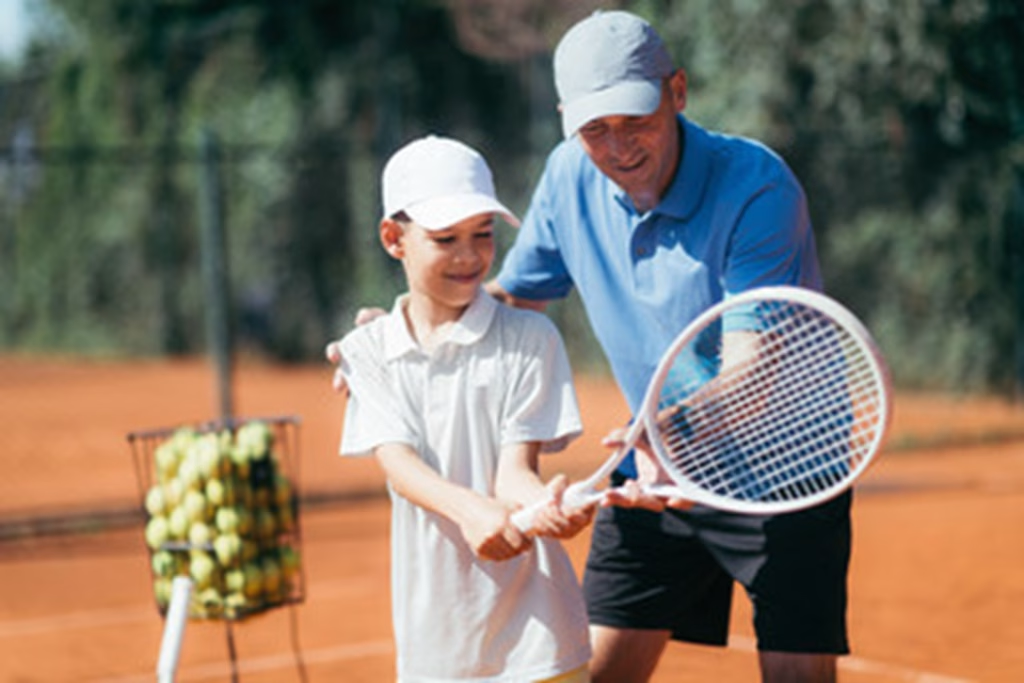
One of the biggest mistakes clubs make is importing tennis coaching models directly into padel.
Padel demands:
- Tactical awareness over raw power
- Decision-making over repetition
- Communication over individual dominance
Yet many programmes still prioritise:
- Isolated drills
- Technical perfection too early
- Performance pressure before enjoyment
The result?
Players improve slower, not faster – and many simply stop coming back.
Padel players don’t quit because the sport is difficult.
They quit because it stops being enjoyable.
Online Content Is Quietly Rewriting the Culture
Most padel players don’t experience the sport only on court anymore.
They experience it daily through Instagram reels, TikTok clips, YouTube videos and podcast conversations.
What they see online starts to shape:
- How players behave on court
- What’s considered “elite” or aspirational
- Which voices are amplified, and which are ignored
As padel content grows, there’s been a noticeable shift toward:
- Influencer-led ego narratives
- Manufactured “luxury padel” lifestyles
- Image-first storytelling over real experience
Nothing breaks overnight.
The culture simply drifts.
Padel doesn’t need to look more expensive.
It needs to feel more authentic.
Brands Lose When They Treat Padel Like Tennis
This is where many brands misread the opportunity.
Tennis sponsorships are built around visibility.
Padel partnerships are built around participation.
Brands succeed in padel when they:
- Enable experiences
- Become part of the environment
- Add value without dominating attention
When brands arrive with a tennis-style approach – oversized logos, hard selling, and passive branding – the audience disengages.
Padel players are brand aware.
They’re just allergic to being marketed at.
The Real Risk: Losing What Makes Padel Special
Padel doesn’t need tennis’s approval.
It doesn’t need its structures, language or legacy systems.
What it needs is protection.
Protection of:
- Its accessibility
- Its social energy
- Its community-first mentality
Because once those are gone, padel becomes just another racket sport – and that would be a real loss.
Final Smash: Let Padel Be Padel
Padel’s future isn’t about growing up to become tennis.
It’s about growing into itself.
Clubs that understand this will thrive.
Brands that respect this will win.
And players who protect the culture will shape the sport’s next chapter.
Padel doesn’t need to be taken more seriously.
It needs to be understood properly.
Share this content: