


BUILDING THE PIPELINE
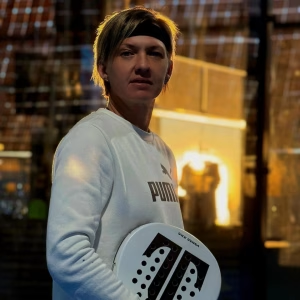
Adila Seedat on Youth Structure, Standards and the Future of South African Padel
Building the Pipeline: How Junior Padel in South Africa Is Taking Shape
South African junior padel is no longer waiting for opportunities abroad
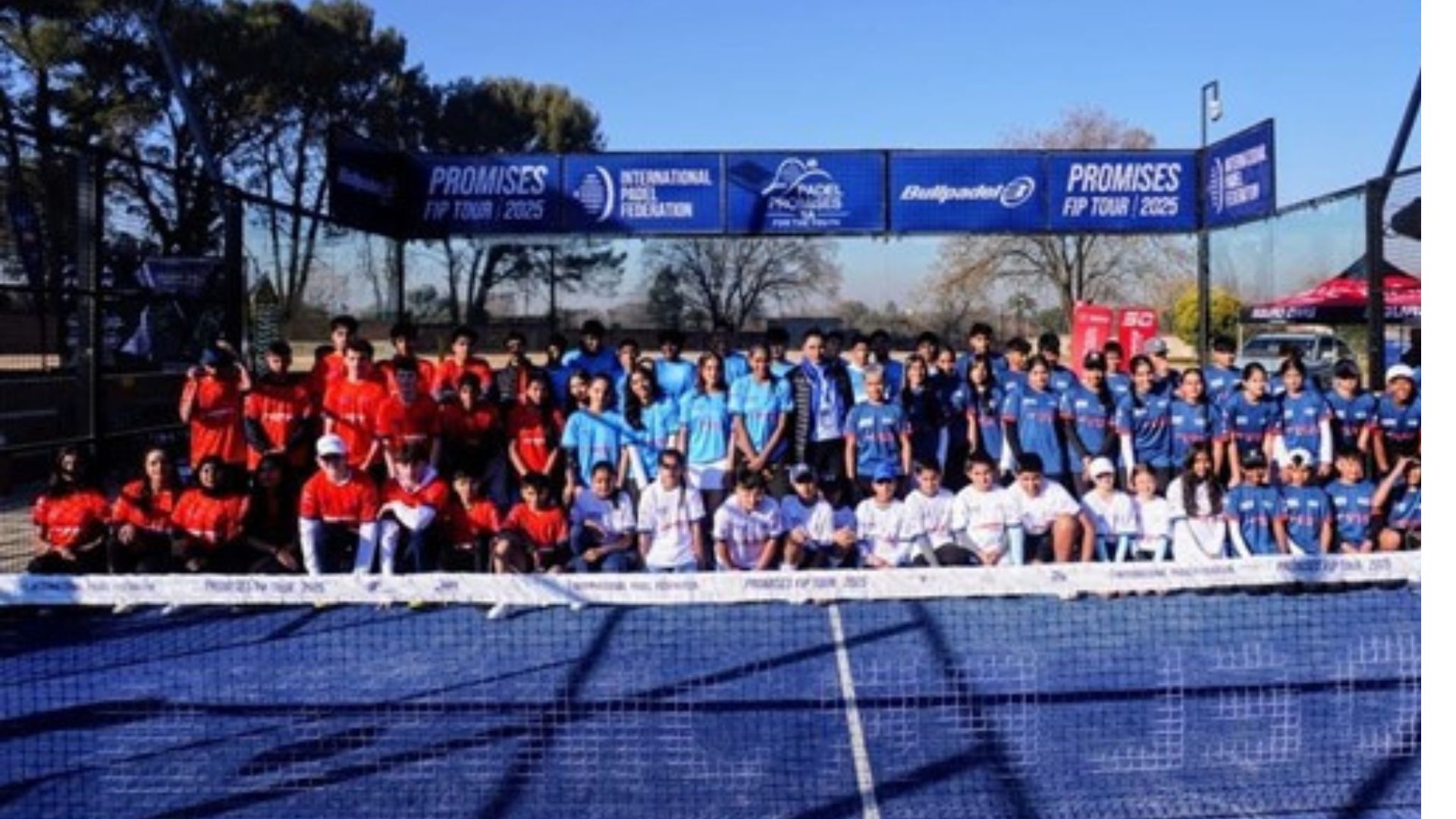
In 2025, South Africa officially stepped onto the global junior stage with the arrival of FIP Promises.
For the first time, young players could earn recognised international ranking points without leaving the country.
At the centre of that shift is Adila Seedat, founder of Padel Promises SA.
What began as a vision to create more opportunities is now evolving into something far more structured – a junior pathway aligned with international standards.
This is not just about tournaments.
It is about building a system.
A turning point for junior padel in South Africa
Before 2025, the pathway for junior padel players in South Africa lacked structure.
There were tournaments. There was talent.
But there was no clear connection to the global game.
The introduction of FIP Promises changed that immediately.
Young players can now:
- Earn international ranking points
- Compete under global tournament standards
- Measure themselves against international benchmarks
And perhaps most importantly, they can do it locally.
That shift has already had an impact.
Training intensity has increased. Focus has sharpened. The mindset has changed.
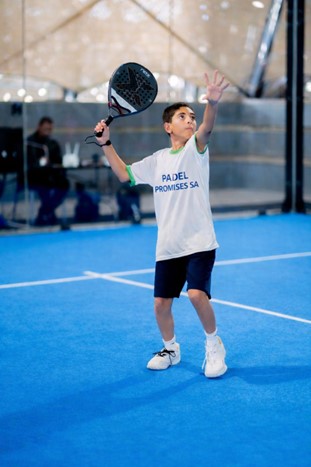
From participation to performance
According to Seedat, one of the biggest gaps before the launch of Padel Promises SA was continuity.
Players could enter the sport, but there was no consistent pathway guiding them forward.
Now, that structure is beginning to take shape.
By linking local competition directly to the international ecosystem, South African juniors are no longer isolated.
They are part of something bigger.
Why international ranking points matter
For young athletes, recognition changes behaviour.
When matches contribute to an international ranking, preparation becomes more serious. Standards rise.
It also removes a major barrier.
Historically, international exposure required expensive travel. That limited access to a small group of players.
Now, the pathway is more accessible.
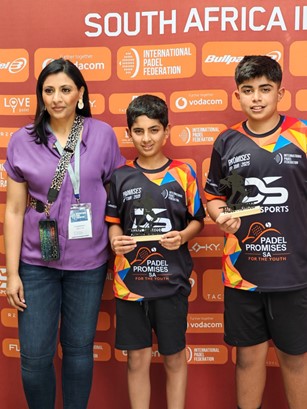
The results are already visible.
Junior participation has grown significantly, with teams increasing from 80 to 170 within months in 2025.
The next challenge: developing complete players
South African juniors are competitive by nature.
That is a strength.
But competing globally requires more than competitiveness.
It requires:
- Tactical understanding
- Shot selection
- Positioning
- Patience under pressure
Padel is as much a mental game as it is a physical one.
The current development gap lies in building technically complete players who can adapt to different match situations at a high level.
This comes down to coaching structures and consistent match play.
Access remains the biggest barrier
While the sport continues to grow, access is still uneven.
Regions like Johannesburg and Pretoria have seen faster development due to infrastructure and club availability.
But talent exists across the country.
Expanding opportunities beyond major hubs is now a key priority.
Plans are already in motion to host international junior events in:
- Cape Town
- Durban
This will create broader access and stronger regional pathways.
Beyond tournaments: building an ecosystem
Events alone are not enough.
For junior padel in South Africa to grow sustainably, the focus must expand to include:
- Coaching development
- Structured junior programmes
- Long-term athlete pathways
- Collaboration across clubs and academies
There is also a clear need for a unified governing structure.
Alignment at a national level would bring consistency, credibility and stronger development opportunities.
South Africa as an emerging junior padel hub
One of the most encouraging signs is growing international interest.
Upcoming events are expected to attract players from countries including:
- Botswana
- Zambia
- Lebanon
- United Kingdom
This positions South Africa as a developing hub for junior padel in the region.
The long game: what parents and players need to understand
Padel development is not immediate.
It requires:
- Time
- Consistency
- Exposure to competition
- The ability to learn from losses
Parents play a critical role in shaping mindset.
Teaching resilience, patience and sportsmanship is just as important as technical training.
As Alejandro Galán puts it:
“You improve much more from the matches you lose than from the ones you win.”
Enjoyment of the game remains central.
Because long-term development follows passion.
What could the future look like
If the pathway is built correctly, the next three to five years could define the sport.
South Africa could develop:
- A clear national junior structure
- Regular international-standard events
- Players competing confidently on the global stage
And potentially, a new generation of world-class athletes.
Final thoughts: building something that lasts
At its core, this is about more than competition.
It is about creating opportunity.
A system that allows young players, regardless of background or geography, to grow, compete and represent South Africa.
If done properly, South Africa will not only produce strong players.
It will build a system that sustains the sport for generations.
Share this content: