


Nicolau “That Padel Guy”: Building the Game from the Inside

Introduction
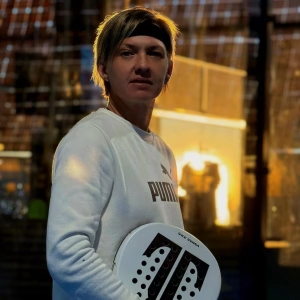
Nicolau first appeared in Padel Pulse as a player and coach deeply invested in how padel is taught, played, and understood.
From the beginning, his role in South African padel has extended far beyond results on court. His work sits at the intersection of coaching, competition, media, and community, helping shape how players experience the game at every level. Over time, Nicolau has become one of the sport’s most influential internal builders, contributing not only through performance but through systems, education, and accessibility
Wearing Many Hats in South African Padel
Today, Nicolau wears several roles, all connected by a single purpose.
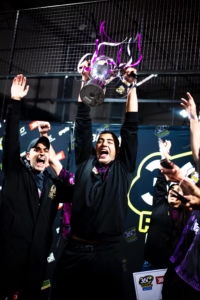
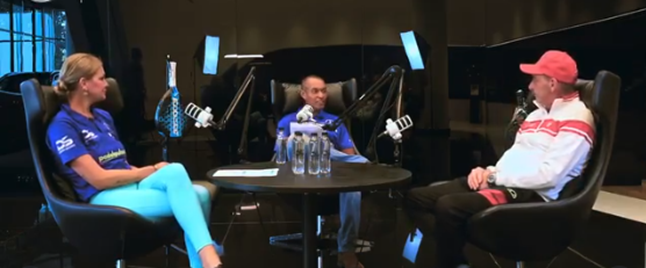
He is the Head Coach at Thrashers Padel Club, founder of Padel Surge, a presenter on PadelPulseTV, a competitive player for the East Side Phantoms in the 360 League, and an editor at Padel Pulse Magazine.
On court, his focus remains firmly competitive. Looking ahead to 2026, Nicolau has committed to a far more rigorous training programme, with the clear objective of ranking among the top 15 national padel teams. This shift reflects a broader trend in South African padel, where structure, discipline, and consistency are increasingly required to compete at the highest levels.
Coaching With Purpose
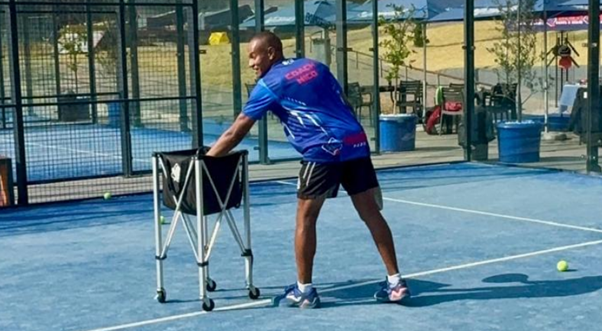
As a coach, Nicolau has deliberately moved away from rigid, drill-heavy models.
His current approach prioritises play-focused coaching that mirrors the chaos and unpredictability of real matchplay. Condition-based points, situational games, and matchplay-led sessions now form the foundation of his methodology.
The goal is not technical perfection in isolation, but decision-making under pressure, adaptability, and communication. In short, learning how padel is actually played.
This philosophy reflects the direction the sport itself is taking. Less theory. More feel. Better understanding.
Padel Surge: Access Over Aspiration
With the launch of padelsurge.co.za, Nicolau extended his influence beyond coaching and competition.
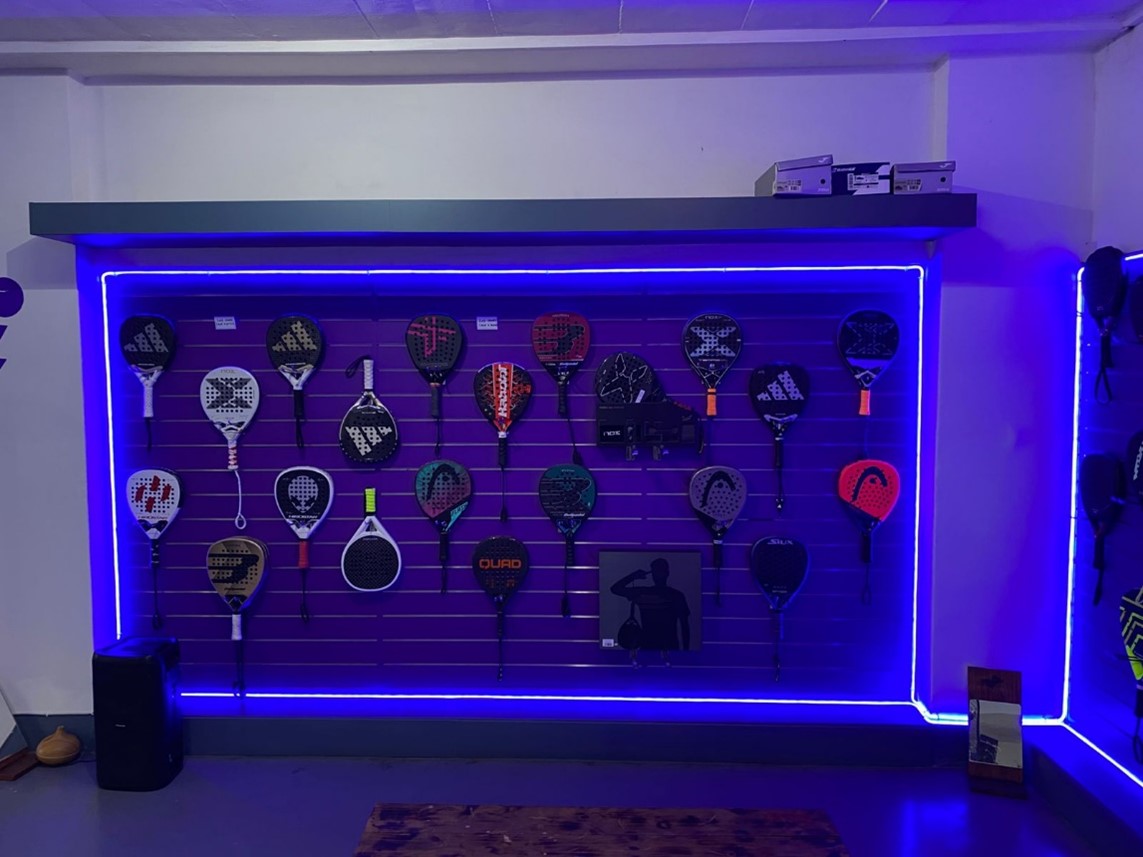
Padel Surge supplies premium second-hand padel rackets, lowering the cost of entry into the sport without compromising quality. In a rapidly growing market, this addresses a genuine barrier for new players and reinforces a core belief that padel’s growth depends on accessibility, not exclusivity.
It is a practical response to a cultural challenge. Growth only works if people can afford to participate.
How Nicolau Sees the Evolution of the Game
Nicolau’s perspective on padel’s evolution is shaped by having lived through it.
The sport began as a social alternative to tennis and squash, light on structure and driven by enjoyment. As clubs multiplied, systems followed. Technical understanding deepened. Organised tournaments emerged, along with meaningful prize pools, pushing competitive standards higher.
However, tournaments were not accessible to everyone. This gap gave rise to club leagues, followed by national team leagues, creating pathways for players across all skill levels. Today, this evolution has led to a clear call for a regulated national padel ranking system, bringing clarity and direction to the competitive ecosystem.
Padel Surge – Thrashers Menlyn
Looking Ahead
For Nicolau, the future of padel in South Africa is already taking shape.
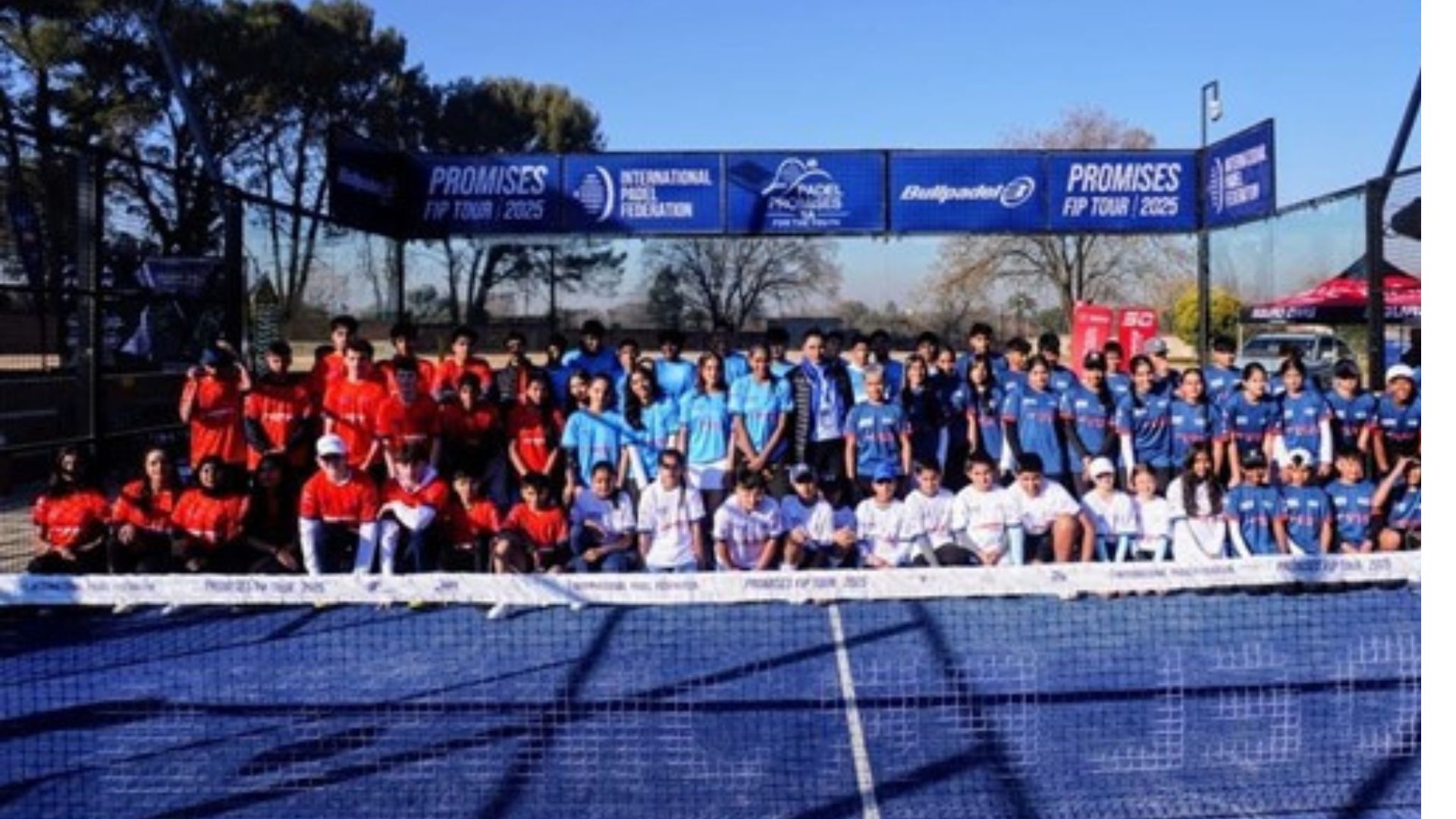
With more registered coaches, increasingly committed players, and a growing youth base, structured development and talent identification are becoming essential. South Africa’s rising presence on the global padel map, highlighted by events such as the SA Invitational and the proposed P2 event in Pretoria, signals that international relevance is no longer theoretical.
In this context, the emergence of young players capable of competing on the world stage, and eventually the Olympic stage, feels less like ambition and more like inevitability.
Final Word
Nicolau’s journey reflects a broader truth about padel’s growth in South Africa.
The game is no longer just expanding.
It is maturing.
And that maturity is being shaped not only by players and results, but by people willing to build systems, challenge habits, and protect what makes padel different.
By The Smasher
Share this content: